
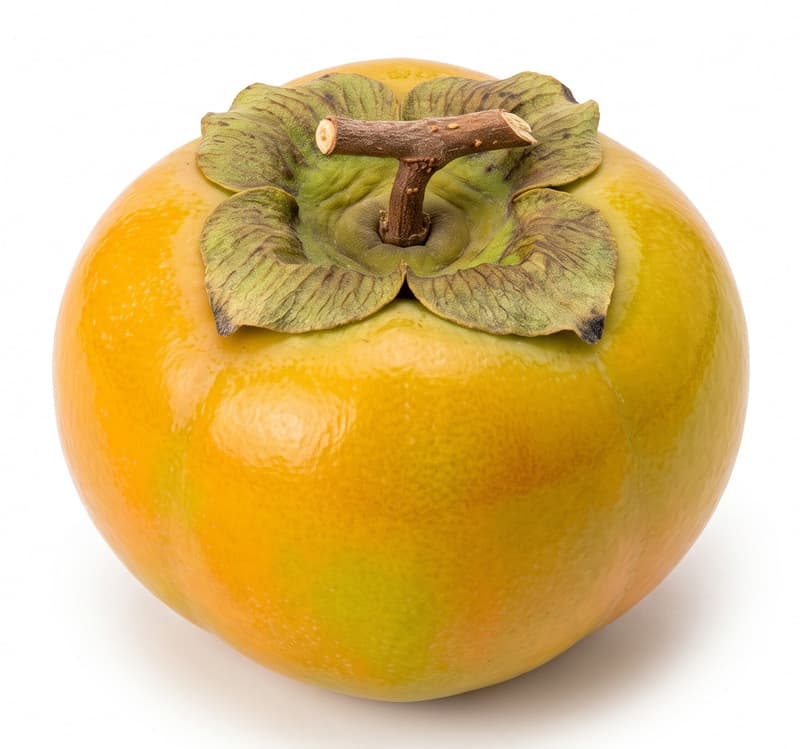
Kaki Persimon, 1 Stk.
8.546 Kunden haben das Produkt als Favorit
34 % der Kunden kaufen regelmäßig
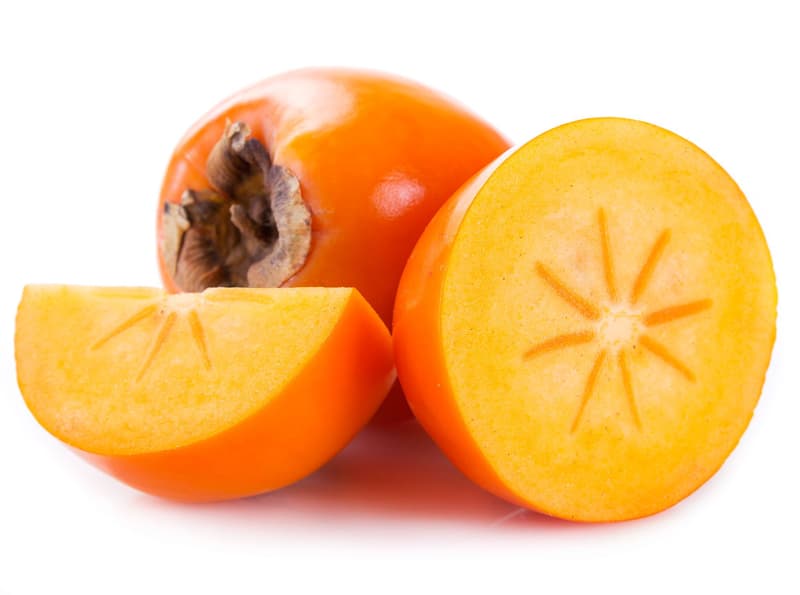
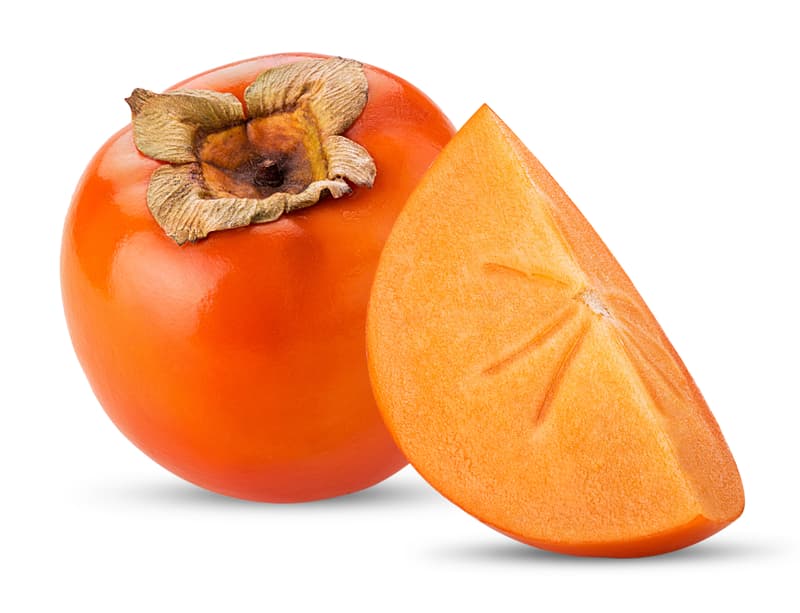
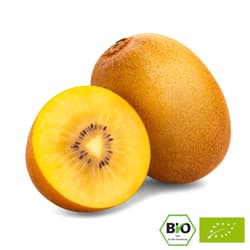
Die spanische Persimon-Kaki der Handelsklasse 1 stammt aus dem geschützten Herkunftsgebiet D.O.P. Kaki Ribera del Xúquer. Im Gegensatz zu klassischen Sorten besitzt sie ein festes, knackiges Fruchtfleisch in leuchtendem Orange und lässt sich unkompliziert wie ein Apfel verzehren. Das einzelne Stück wird am besten einfach bei Zimmertemperatur aufbewahrt.

Herkunftsland
Beschreibung
Was ist eine "Persimon®"-Kaki?
"Persimon®" ist das eingetragene Markenzeichen unserer Herkunftsbezeichnung, damit die Verbraucher erkennen können, dass wir Kakis anbieten, die wie Äpfel gegessen werden, weil sie ein festes, knackiges Fruchtfleisch von orangefarbener Farbe haben. Nur Kakis aus unserer Herkunftsbezeichnung dürfen diese eingetragene Marke verwenden.
Woran erkenne ich eine Persimon®"-Kaki?
Woran erkenne ich eine "Persimon®"-Kaki?
Kakis, die durch unsere Herkunftsbezeichnung zertifiziert sind, tragen auf jeder Frucht ein individuelles Etikett mit dem Markenlogo "PERSIMON®" und der g.U.-Angabe "D.O.P. Kaki Ribera del Xúquer". Dieses Logo kann auch zusammen mit der Marke des Unternehmens erscheinen, das diese Früchte vermarktet.
Was ist der Unterschied zwischen der "Classic"- und der "Persimon®"-Kaki?
Die Sorte "Bright Red" ist eine adstringierende Sorte, die traditionell in überreifem Zustand verzehrt wurde. Sie hat eine weiche, geleeartige Konsistenz und eine intensive rote Farbe. Als wir unter der Marke Persimon®" eine neue Art des Verzehrs von Kakis aus lokalem Anbau einführten, wollten wir eine Kakisorte namens Bright Red" identifizieren, der die Adstringenz genommen wurde, was zu einem festeren, knackigeren orangefarbenen Fruchtfleisch führte. Infolgedessen haben wir begonnen, die kommerzielle Sorte "Classic" zu verwenden, damit die Verbraucher leicht zwischen der nicht-astringierenden und der klassischen Sorte unterscheiden können.
"Classic": weiche, geleeartige Textur und intensiv rote Farbe."Persimon®": feste, knusprige und orangefarbene Textur.
Bei welcher Temperatur lässt sich eine Persimon®"-Kaki am besten lagern?
Kakis werden am besten bei Zimmertemperatur gelagert.
Kann ich das dunklere Fruchtfleisch unter der Schale der Kaki essen?
Ja, das können Sie. Manchmal haben Kakis unter der Schale dunklere Stellen, an denen das Fleisch brauner zu sein scheint. Dies hat keinen Einfluss auf die Qualität oder den Geschmack der Frucht, sondern nur auf ihr Aussehen.Wie wir bereits erklärt haben, reagieren Kakis sehr empfindlich auf Stöße und grobe Behandlung. Die Braunfärbung ist ein Zeichen für diese Fehlbehandlung, führt aber nicht zu einem Verlust an Geschmack oder Qualität.
Produkteigenschaften
Handelsklasse: 1
gekühlte Ware