

Product from:
Preussen
1999€
Only a few items left
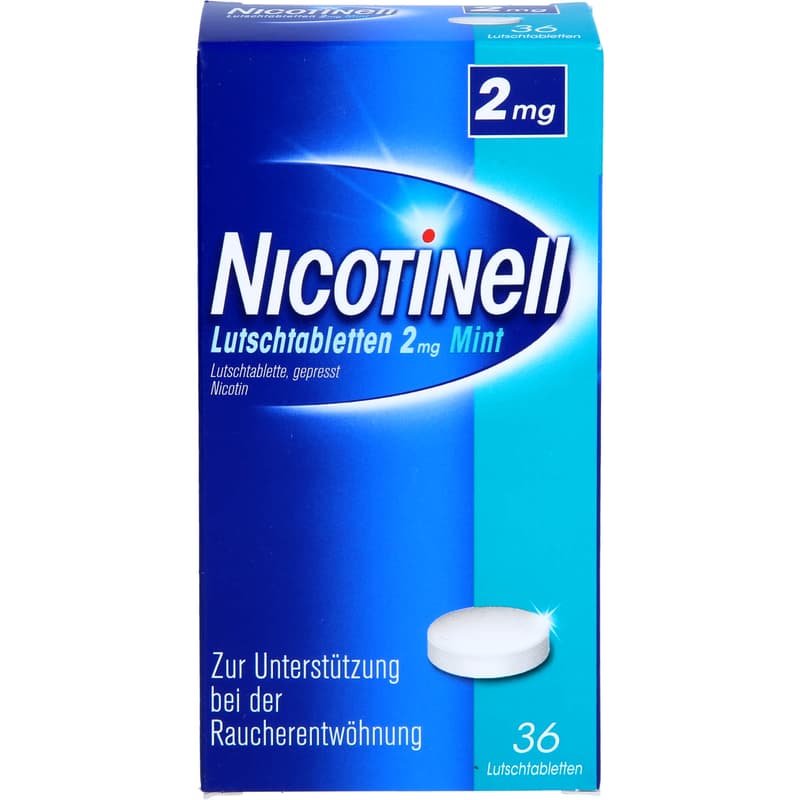
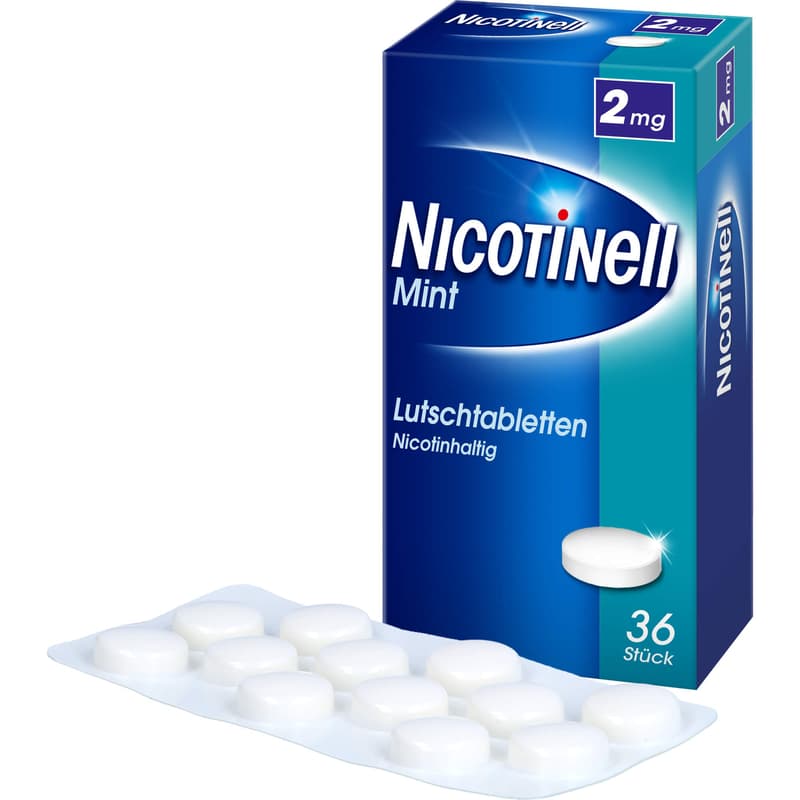
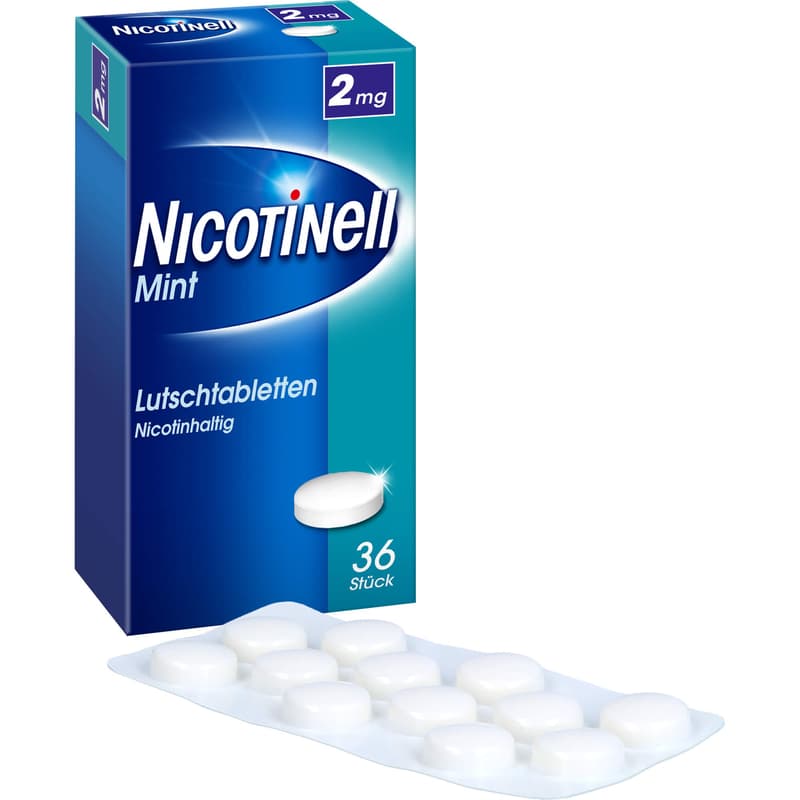
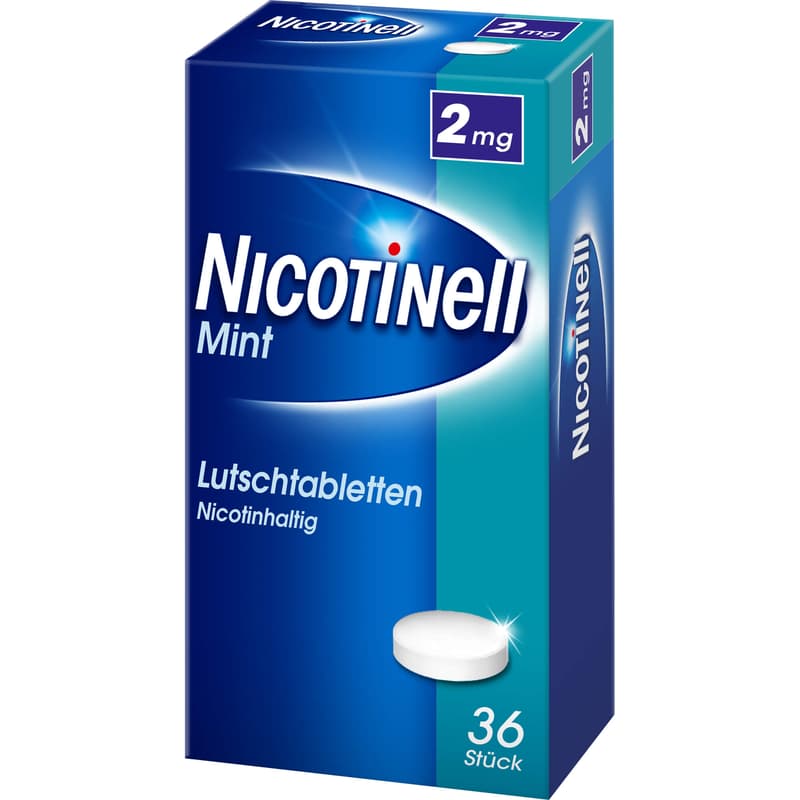
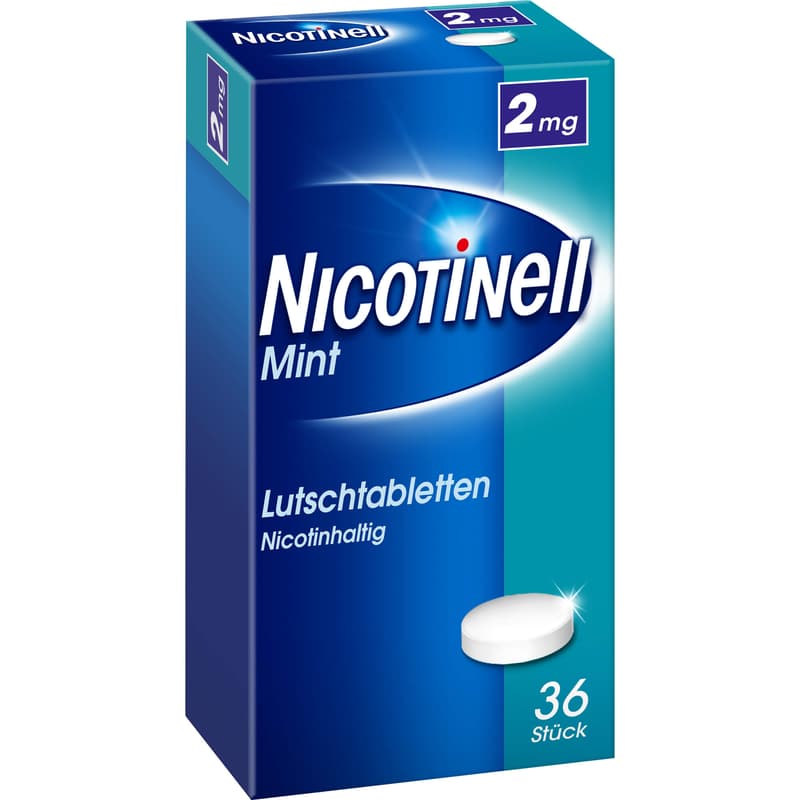
NICOTINELL Mint lozenges are designed to support you on your journey to quitting smoking. Each lozenge contains 2 mg of nicotine, which is slowly released to help relieve cravings and withdrawal symptoms. This handy 36-pack is ideal for those with a strong nicotine dependency, offering a refreshing mint flavor to make the transition easier.
Zu Risiken und Nebenwirkungen lesen Sie die Packungsbeilage und fragen Sie Ihre Ärztin, Ihren Arzt oder in Ihrer Apotheke.




Description

You're reading an Auto-translation.
Important notes (mandatory information)
Nicotinell lozenges 2 mg mint. Active ingredient: nicotine. Areas of application: relieves nicotine withdrawal symptoms and cravings when quitting smoking or temporarily reducing smoking to facilitate smoking cessation.For risks and side effects, read the package leaflet and consult your doctor or pharmacist.
INSTRUCTIONS FOR USE: INFORMATION FOR THE USER
Nicotinell lozenges 2 mg mint, lozenge pressed for use in adults
Active ingredient: nicotine
Read the entire instructions for use carefully before you start using this medicine, as they contain important information. Always use this medicine exactly as described in this leaflet or exactly as directed by your doctor or pharmacist.
- Keep the package leaflet. You may want to read it again later.
- Ask your pharmacist if you need more information or advice.
- If you experience any side effects, talk to your doctor or pharmacist. This also applies to side effects not listed in this leaflet. See section 4.
- If you still need to use Nicotinell lozenges after 9 months, you must contact your doctor.
What this leaflet contains
- WHAT ARE NICOTINELL LOZENGES AND WHAT ARE THEY USED FOR?
- WHAT SHOULD YOU CONSIDER BEFORE USING NICOTINELL LOZENGES?
- HOW TO USE NICOTINELL LOZENGES?
- WHAT SIDE EFFECTS ARE POSSIBLE?
- HOW TO STORE NICOTINELL LOZENGES?
- CONTENTS OF THE PACK AND OTHER INFORMATION
Nicotinell lozenges contain nicotine, one of the substances found in tobacco. This medicine belongs to a group of medicines used to help you quit smoking. When sucked, the nicotine is slowly released and absorbed through the lining of the mouth. This medicine is used to help patients quit smoking. The nicotine in Nicotinell lozenges relieves nicotine withdrawal symptoms and cravings when quitting smoking or temporarily reducing smoking to facilitate smoking cessation. In smokers who are motivated to quit smoking, Nicotinell lozenges help prevent relapse by relieving withdrawal symptoms and cravings. Counseling and support for the patient usually increase success rates. Nicotinell is indicated for smokers 18 years of age and older.
2. WHAT SHOULD YOU CONSIDER BEFORE USING NICOTINELL LOZENGES?
Nicotinell lozenges must not be used:
- if you are allergic to nicotine or any of the other ingredients of this medicine listed in section 6;
- if you are a non-smoker.
Warnings and precautions
Please talk to your doctor or pharmacist before using Nicotinell lozenges if you have any of the following conditions:- heart disease, e.g. heart attack, heart failure, angina pectoris, Prinzmetal angina syndrome or heart rhythm disorders,
- if you have had a stroke (cerebral circulation disorder),
- high blood pressure (uncontrolled hypertension),
- circulatory disorders,
- diabetes mellitus,
- overactive thyroid (hyperthyroidism),
- tumor of the adrenal gland (pheochromocytoma),
- kidney or liver disease,
- esophagitis (inflammation of the esophagus), inflammation of the mouth or throat, gastritis (inflammation of the stomach lining) or gastrointestinal ulcer (peptic ulcer).
Children and adolescents (<
18 years)
Nicotinell should not be used by persons under 18 years of age without a doctor's recommendation.Use of Nicotinell lozenges with other medicines
Tell your doctor or pharmacist if you are taking/using, have recently taken/used or plan to take/use any other medicines. If you quit smoking and are taking other medicines at the same time, your doctor may need to adjust the dose. There is no information on interactions between Nicotinell lozenges and other medicines. Apart from nicotine, other substances contained in cigarettes can also have an effect on certain medicines.Quitting smoking can affect the action of certain medicines, e.g.:
- Theophylline (medicine for the treatment of bronchial asthma).
- Tacrine (medicine for the treatment of Alzheimer's disease).
- Olanzapine and clozapine (for the treatment of schizophrenia).
- Insulin dose may need to be adjusted (medicine for the treatment of diabetes mellitus).
Use of Nicotinell lozenges with food and drink
Coffee, acidic drinks or lemonade can reduce the absorption of nicotine and should therefore be avoided 15 minutes before sucking the lozenges.Pregnancy, breastfeeding and fertility
It is very important to stop smoking during pregnancy, as this can otherwise lead to growth retardation in your baby. Smoking can also lead to premature birth or even stillbirth. Ideally, you should try to quit smoking without medication. If you are unable to do so, Nicotinell lozenges may be recommended to support you, as this reduces the risk to the developing child compared to continued smoking. Nicotine in any form can harm the unborn child. Nicotinell lozenges should only be used if you have previously consulted the healthcare professional who is accompanying you during your pregnancy or a doctor who specializes in smoking cessation. Nicotinell lozenges, like smoking itself, should be avoided during breastfeeding, as nicotine passes into breast milk. If your doctor has recommended that you use Nicotinell lozenges while breastfeeding, you should only use the lozenges after breastfeeding and not within 2 hours before breastfeeding.Driving and operating machinery
There is no evidence of risks in road traffic or when operating machinery, as long as the lozenges are used at the recommended dosage. However, please note that behavioral changes can occur when quitting smoking.Nicotinell lozenges contain sugar substitutes, including aspartame and maltitol, as well as sodium. Each Nicotinell lozenge contains aspartame (E 951) as a source of phenylalanine, corresponding to 5 mg per lozenge and may be harmful to people with phenylketonuria.
Nicotinell lozenges contain maltitol (E 965) as a source of fructose
If you have been told by your doctor that you have an intolerance to certain sugars, ask your doctor before using this medicine. You may experience a mild laxative effect. The calorific value is 2.3 kcal/g maltitol. The ingredients of Nicotinell lozenges are suitable for diabetics. Nicotinell lozenges contain 9.8 mg sodium per lozenge. If you need to follow a low-salt diet, you should take this into account.3. HOW TO USE NICOTINELL LOZENGES?
Always use this medicine exactly as agreed with your doctor or pharmacist. Check with your doctor or pharmacist if you are not sure. Nicotinell lozenges are available in two strengths: 1 mg and 2 mg.
The appropriate dosage depends on your previous smoking habits. You should only use Nicotinell lozenges 2 mg if:
- you are a smoker with a strong or very strong nicotine dependence;
- if a previous attempt to quit smoking with the 1 mg lozenge failed;
- if your withdrawal symptoms remain so severe that there is a risk of relapse.
Adults over 18 years of age
Select your optimal dosage using the following table
| Mild to moderate dependence | Moderate to strong dependence | Strong to very strong dependence |
| Low-dose dosage form suitable | ||
| High-dose dosage form suitable | ||
| Less than 20 cigarettes / day | 20 to 30 cigarettes / day | More than 30 cigarettes / day |
| 1 mg lozenge is preferred | Low (1 mg lozenge) or high (2 mg lozenge). Dosage depends on the patient's characteristics and preferences | 2 mg lozenge is preferred |
If an adverse effect occurs during use of the high dose (2 mg lozenge), use of the low dose (1 mg lozenge) should be considered.
Instructions for use
Do not swallow the lozenge. Suck on a lozenge until you taste a strong flavor. Then place the lozenge between your gum and cheek. When the flavor fades, start sucking again. Repeat this process until the lozenge has dissolved (approximately 30 minutes).Dosage for adults over 18 years of age
Suck one lozenge at a time when you feel the urge to smoke. In general, 1 lozenge should be used every 1 - 2 hours. Normally, 8 - 12 lozenges per day are sufficient. If you still feel the urge to smoke, you can use more lozenges. However, do not exceed 12-15 lozenges per day of the 2 mg strength (this applies to both smoking cessation and smoking reduction). Nicotinell lozenges should be used primarily for smoking cessation.Smoking cessation
To increase your chances of quitting smoking, you should stop smoking completely at the start of using the lozenges and throughout the treatment period. The duration of use is individual. Normally, treatment should last at least 3 months. After 3 months, you should gradually reduce the number of lozenges you take each day. Use should be discontinued when you have reduced the dose to 1 - 2 lozenges per day. In general, use of Nicotinell lozenges for more than 6 months is not recommended. However, to avoid relapse, some former smokers may need to use them for longer. If you are still using Nicotinell lozenges after 9 months, please talk to your doctor or pharmacist. Specific counseling can help you quit smoking.Smoking reduction
By using Nicotinell lozenges during smoking breaks, the craving for nicotine should be reduced and the smoke-free period extended. The aim should be to reduce smoking as much as possible. The cigarettes should be gradually replaced by Nicotinell lozenges. If the number of cigarettes smoked per day has not been reduced by at least half after 6 weeks, professional help should be sought. As soon as you feel able to do so, you should stop smoking completely, but no later than 4 months after starting to use Nicotinell lozenges. The number of lozenges should then be gradually reduced, e.g. by omitting one lozenge every 2 - 5 days. If a complete cessation of smoking has not been attempted within 6 months, professional help should be sought. Regular use of Nicotinell lozenges for more than 6 months is generally not recommended. However, some former smokers may need longer treatment to avoid relapse. Counseling can increase the likelihood of quitting smoking.If you have used more Nicotinell lozenges than you should
Sucking too many lozenges can cause the same symptoms as excessive smoking. General symptoms of nicotine poisoning include: weakness, sweating, excessive salivation, burning sensation in the throat, nausea, vomiting, diarrhea, abdominal pain, hearing and vision disturbances, headache, rapid heartbeat (tachycardia) and heart rhythm disturbances, shortness of breath (dyspnea) and circulatory collapse. Consult your doctor or pharmacist if you experience any of these symptoms. If poisoning is suspected in a child, a doctor must be consulted immediately. Even small amounts of nicotine are dangerous for children and can cause severe poisoning symptoms, possibly with fatal consequences. If you have any further questions on the use of this medicine, ask your doctor or pharmacist.4. WHAT SIDE EFFECTS ARE POSSIBLE?
Like all medicines, this medicine can cause side effects, although not everybody gets them. Some of the symptoms that may occur in the first few days are dizziness, headache and sleep disturbances. These may be withdrawal symptoms and can be attributed to the reduced nicotine intake during smoking cessation.
Common side effects (1 to 10 out of 100 treated):
- Dizziness and headache.
- Dry mouth, hiccups, gastrointestinal disorders such as nausea, flatulence, heartburn, excessive salivation, irritation of the oral cavity and esophagus may also occur, especially due to intensive sucking. Slower sucking will usually eliminate this problem.
- Palpitations.
- Heart rhythm disturbances and allergic reactions. These reactions can be severe in individual cases. You should consult your doctor immediately if you experience symptoms such as swelling of the face, tongue and/or throat and/or difficulty swallowing or hives together with difficulty breathing (angioedema).
Reporting of side effects
If you experience any side effects, talk to your doctor or pharmacist. This also applies to side effects not listed in this leaflet. You can also report side effects directly to the Federal Institute for Drugs and Medical Devices, Dept. of Pharmacovigilance, Kurt-Georg-Kiesinger-Allee 3, D-53175 Bonn, website: www.bfarm.de. By reporting side effects, you can help provide more information on the safety of this medicine.5. HOW TO STORE NICOTINELL LOZENGES?
Keep this medicine out of the reach of children. Do not use this medicine after the expiry date which is stated on the container and outer carton after "Use by:". The expiry date refers to the last day of the month. Do not store above 25°C. The medicine must not be disposed of via wastewater or household waste. Ask your pharmacist how to dispose of the medicine when you no longer need it. This measure helps to protect the environment.
6. CONTENTS OF THE PACK AND OTHER INFORMATION
What Nicotinell lozenges contain
The active ingredient is nicotine. Each Nicotinell lozenge contains 2 mg nicotine (as 6.144 mg nicotine bis[(R,R)-tartrate] 2 H2O). The other ingredients are: maltitol (E 965); sodium carbonate, anhydrous; sodium hydrogen carbonate; polyacrylate; xanthan gum; highly dispersed silicon dioxide; levomenthol; peppermint oil; aspartame (E 951); magnesium stearate.What Nicotinell lozenge looks like and contents of the pack
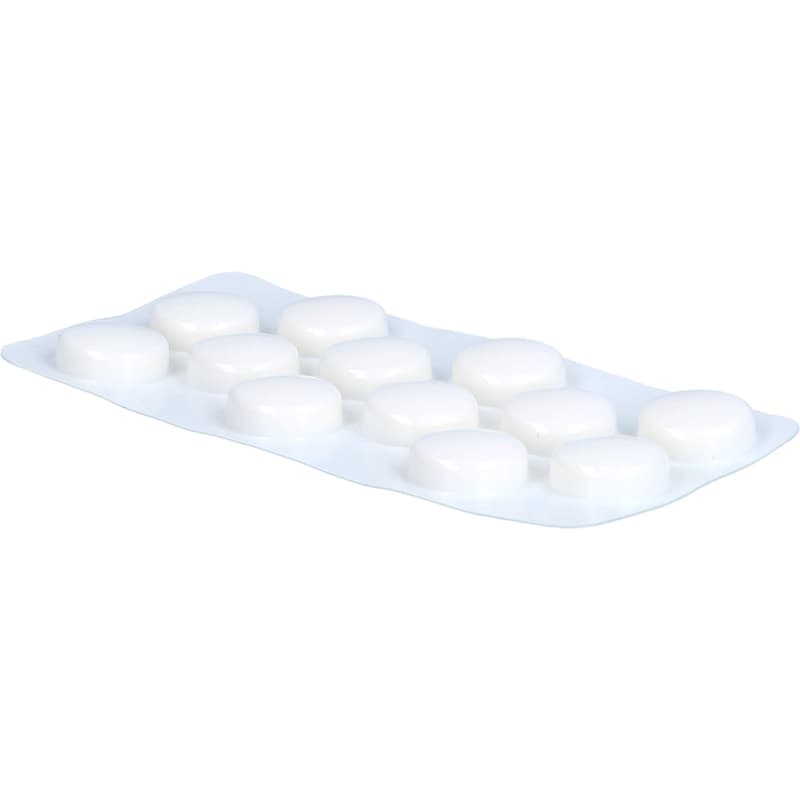
Nicotinell lozenges are white, round, biconvex, pressed lozenges with mint flavor. Nicotinell lozenges are available in 2 strengths (1 and 2 mg). The blister strips are packed in folding boxes of 36 or 96 lozenges.Pharmaceutical entrepreneur and manufacturer
GlaxoSmithKline Consumer Healthcare GmbH & Co. KG80258 Munich
Barthstraße 4
80339 Munich
Telephone (089) 78 77-209
Telefax (089) 78 77-304
E-mail: medical.contactcenter@gsk.com
This leaflet was last revised in June 2016.
Source: Information from the package leaflet
Status: 04/2018
Active ingredient: nicotine. Areas of application: relieves nicotine withdrawal symptoms and cravings when quitting smoking or temporarily reducing smoking to facilitate smoking cessation.
Information leaflet
Download the information leafletComposition & Allergens
Composition
Wirkstoff: Nikotin