
Kaki, to spoon
18,304 customers have this product in their favourites
34% of customers buy regularly
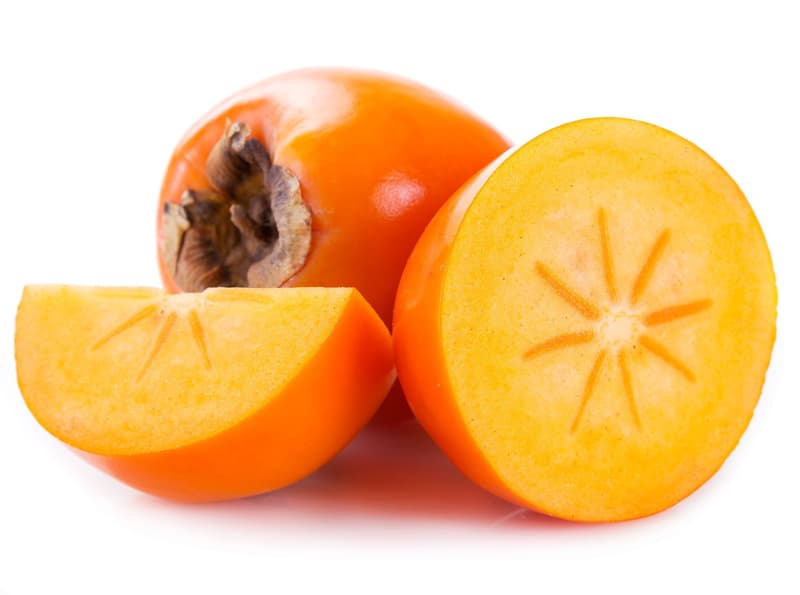
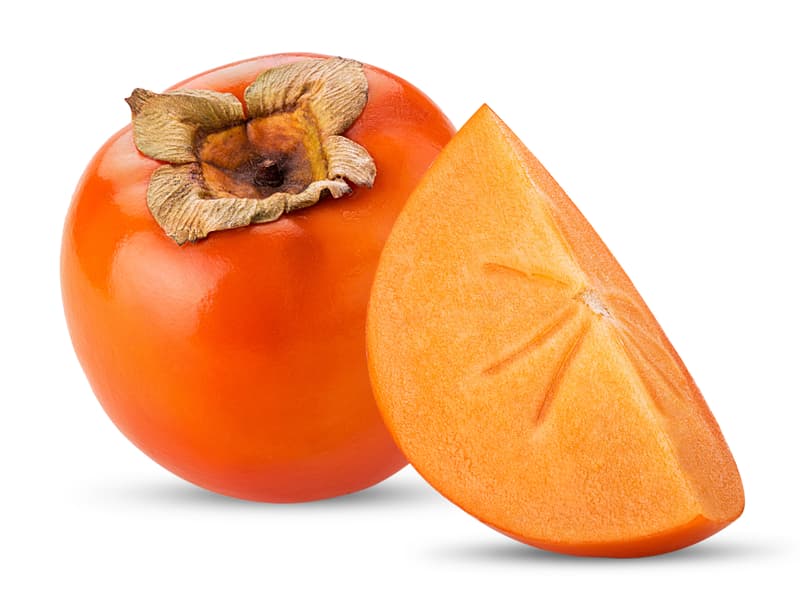
Enjoy this Spanish Persimon® kaki, a firm and crunchy fruit with vibrant orange flesh, perfect for eating like an apple. It's a P.D.O. Kaki Ribera del Xúquer certified variety, known for its non-astringent taste. Each fruit is commercial grade 1 and best stored at room temperature. You get one delicious piece of this special kaki.




Country of origin
Description

What is a "Persimon®" kaki?
"Persimon®" is the registered trademark of our designation of origin, so that consumers can recognize that we offer kakis that are eaten like apples, because they have a firm, crunchy orange-colored flesh. Only kakis from our designation of origin may use this registered trademark.
How do I recognize a Persimon® kaki?
How do I recognize a "Persimon®" kaki?
Kakies certified by our designation of origin bear an individual label on each fruit with the "PERSIMON®" brand logo and the P.D.O. indication "D.O.P. Kaki Ribera del Xúquer". This logo may also appear together with the brand of the company that markets these fruits.
What is the difference between the "Classic" and the "Persimon®" kaki?
The "Bright Red" variety is an astringent variety that has traditionally been eaten when overripe. It has a soft, jelly-like consistency and an intense red color. When we introduced a new way of eating locally grown kakis under the Persimon®" brand, we wanted to identify a variety of "Bright Red" kakis from which the astringency had been removed, resulting in a firmer, crunchier orange flesh. As a result, we have started to use the commercial variety "Classic" so that consumers can easily distinguish between the non-astringent and the classic variety.
"Classic": soft, jelly-like texture and intense red color."Persimon®": firm, crunchy and orange texture.
At what temperature is a Persimon® kaki best stored?
Kakies are best stored at room temperature.
Can I eat the darker flesh under the skin of the kaki?
Yes, you can. Sometimes kakis have darker areas under the skin where the flesh appears to be browner. This does not affect the quality or taste of the fruit, but only its appearance. As we have already explained, kakis are very sensitive to knocks and rough handling. The browning is a sign of this mishandling, but does not lead to any loss of flavor or quality.
Product features
Commercial grade: 1
refrigerated goods