
Product from:
Preussen
693€
Only a few items left
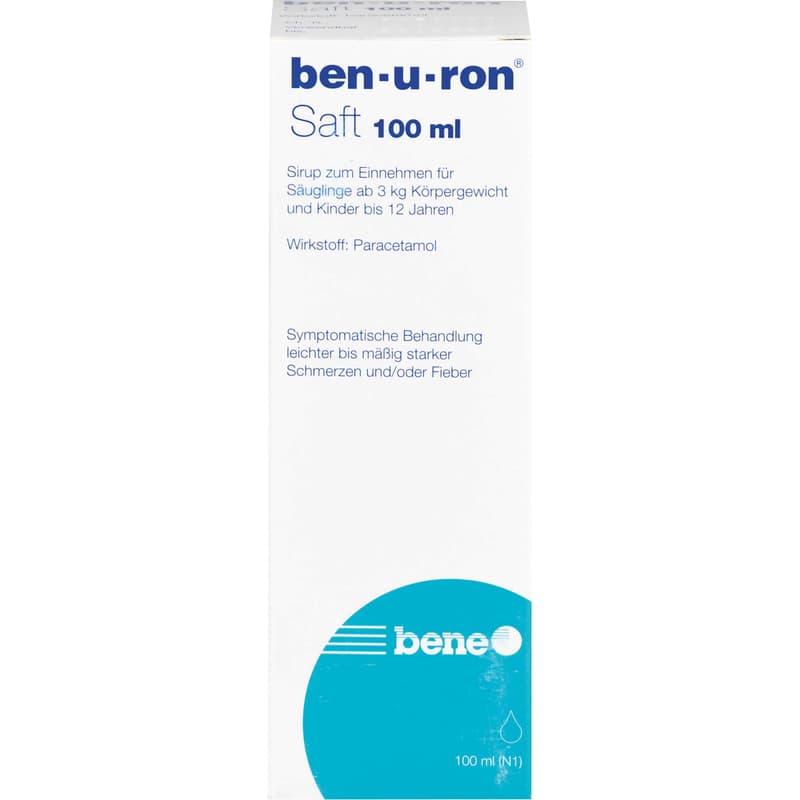
This ben-u-ron liquid is a trusted pain reliever and fever reducer formulated for infants from 3 kg and children up to 12 years. Featuring the active ingredient paracetamol, this orange-colored syrup has a pleasant cream flavor that kids accept easily. The handy 100ml bottle comes with a precise dosing syringe and stays fresh for up to 12 months after opening.
Zu Risiken und Nebenwirkungen lesen Sie die Packungsbeilage und fragen Sie Ihre Ärztin, Ihren Arzt oder in Ihrer Apotheke.
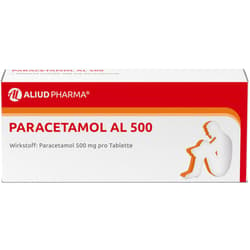
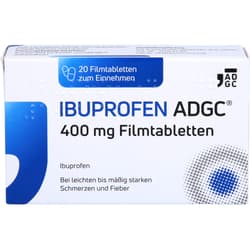
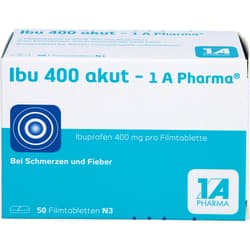
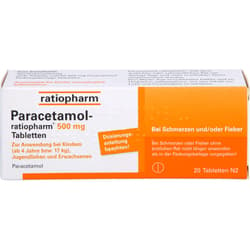
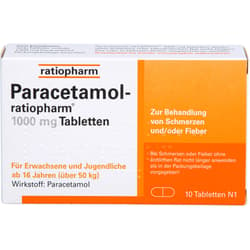
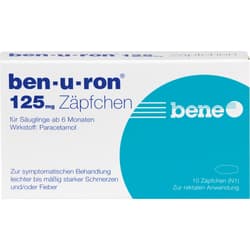
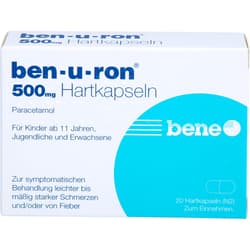
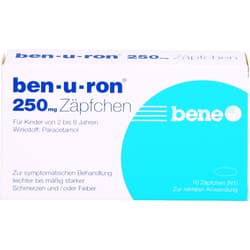
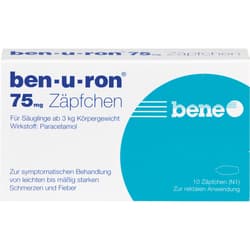
Description

You're reading an Auto-translation.
Important notes (mandatory information)
ben-u-ron syrup. Active ingredient: Paracetamol. Areas of application: for the symptomatic treatment of mild to moderate pain and/or fever.For risks and side effects, read the package leaflet and consult your doctor or pharmacist.
PACKAGE LEAFLET: INFORMATION FOR THE USER
ben-u-ron syrup, for use in infants from 3 kg body weight and children up to 12 years
Active ingredient: Paracetamol
Read the entire package leaflet carefully because it contains important information for you. This medicine is available without a prescription. However, to achieve the best possible treatment results, ben-u-ron syrup must be taken as directed.
- Keep the package leaflet. You may want to read it again later.
- Ask your pharmacist if you need more information or advice.
- If your symptoms worsen or do not improve after 3 days, or if you have a high fever, you or your child must see a doctor.
- If any of the listed side effects affect you or your child significantly or if you notice any side effects not listed in this package leaflet, please inform your doctor or pharmacist.
This package leaflet contains
- WHAT IS BEN–U–RON AND WHAT IS BEN–U–RON USED FOR?
- WHAT SHOULD YOU CONSIDER BEFORE TAKING BEN–U–RON?
- HOW SHOULD BEN–U–RON BE TAKEN?
- WHAT SIDE EFFECTS ARE POSSIBLE?
- HOW SHOULD BEN–U–RON BE STORED?
- FURTHER INFORMATION
ben-u-ron is a pain-relieving and fever-reducing medicine (analgesic and antipyretic). ben-u-ron is taken for the symptomatic treatment of mild to moderate pain and/or fever.
2. WHAT SHOULD YOU CONSIDER BEFORE TAKING BEN-U-RON?
ben-u-ron must not be taken if you or your child are hypersensitive (allergic) to paracetamol, methyl-4-hydroxybenzoate (E 218), propyl-4-hydroxybenzoate (E 216), yellow orange S (colouring agent E110) or any of the other ingredients of ben-u-ron syrup
Special care should be taken when taking ben-u-ron if:
- you or your child are chronically alcoholic
- you or your child suffer from impaired liver function (hepatitis, Gilbert syndrome)
- you have a damaged kidney
- you have conditions that may be associated with a reduced glutathione level (e.g. diabetes mellitus, HIV, Down syndrome, tumours)
Important information about certain other ingredients of ben-u-ron syrup
This medicine contains sucrose (sugar). Therefore, you or your child should only take ben-u-ron after consulting your doctor if you know that you or your child are intolerant to certain sugars. 1 dosing syringe (5 ml) of ben-u-ron syrup contains 2.5 g of sucrose (sugar) corresponding to approx. 0.2 bread units (BE). If you or your child are on a diabetic diet, you should take this into account.When taking ben-u-ron with other medicines
Please inform your doctor or pharmacist if you or your child are taking/using or have recently taken/used other medicines, even if they are non-prescription medicines.Interactions are possible with:
- Medicines for gout such as probenecid: If probenecid is taken at the same time, the dose of ben–u–ron should be reduced, as the breakdown of ben–u–ron may be slowed down.
- Sleeping pills such as phenobarbital, medicines for epilepsy such as phenytoin, carbamazepine, medicines for tuberculosis (rifampicin), other medicines that may damage the liver. In some cases, taking ben–u–ron at the same time may cause liver damage.
- Medicines to lower elevated blood lipid levels (cholestyramine): These can reduce the absorption and thus the effectiveness of ben–u–ron.
- Medicines for HIV infections (zidovudine): The tendency to reduce white blood cells (neutropenia) is increased, so ben–u–ron should only be taken at the same time as zidovudine on the advice of a doctor.
- Medicines for nausea (metoclopramide and domperidone): These can accelerate the absorption and onset of action of ben–u–ron.
- If medicines that slow down gastric emptying are taken at the same time, the absorption and onset of action of paracetamol may be delayed.
Effects of taking ben-u-ron on laboratory tests
Uric acid and blood sugar levels may be affected.When taking ben-u-ron with food and drink
ben-u-ron must not be taken or administered together with alcohol.Pregnancy and
breastfeeding
Ask your doctor or pharmacist for advice before taking any medicine.Pregnancy
ben-u-ron should only be taken during pregnancy after carefully weighing the benefit-risk ratio. You should not take ben-u-ron for a long period of time, in high doses or in combination with other medicines during pregnancy, as the safety of use has not been proven for these cases.Breastfeeding
Paracetamol passes into breast milk. Since no adverse effects on the infant have been reported to date, it is usually not necessary to interrupt breastfeeding.Driving and operating machinery
ben-u-ron has no influence on the ability to drive and operate machinery. Nevertheless, caution is always advised after taking a painkiller.3. HOW SHOULD BEN-U-RON BE TAKEN?
Unless otherwise prescribed by your doctor, you or your child should always take ben-u-ron exactly as described in this package leaflet. Please ask your doctor or pharmacist if you are not sure. The dosage depends on the information in the following table. Paracetamol is dosed depending on age and body weight, usually 10 to 15 mg/kg body weight as a single dose, up to a maximum of 60 mg/kg body weight as a total daily dose. The respective dosing interval depends on the symptoms and the maximum total daily dose. It should not be less than 6 hours. If symptoms persist for more than 3 days, a doctor should be consulted.
| Body weight (age) | Single dose (corresponding paracetamol dose) | Max. daily dose (24 hrs) (corresponding paracetamol dose) |
| 3 kg (0–3 months) | 1 ml (corresponding to 40 mg paracetamol) | 4x 1 ml (corresponding to 160 mg paracetamol) |
| 4 kg (0–3 months) | 1.5 ml (corresponding to 60 mg paracetamol) | 4x1.5 ml (corresponding to 240 mg paracetamol) |
| 5 kg (0–3 months) | 1.5 ml (corresponding to 60 mg paracetamol) | 5x1.5 ml (corresponding to 300 mg paracetamol) |
| 6 kg (3–6 months) | 2 ml (corresponding to 80 mg paracetamol) | 4x2 ml (corresponding to 320 mg paracetamol) |
| 7 kg (6–9 months) | 2.5 ml (corresponding to 100 mg paracetamol) | 4x2.5 ml (corresponding to 400 mg paracetamol) |
| 8 kg 9 kg (6–12 months) | 3 ml (corresponding to 120 mg paracetamol) | Tx3 ml (corresponding to 480 mg paracetamol) |
| 10kg (1 –2 years) | 3.5 ml (corresponding to 140 mg paracetamol) | 4x3.5 ml (corresponding to 560 mg paracetamol) |
| 11 kg –12 kg (1 –2 years) | 4 ml (corresponding to 160 mg paracetamol) | 4x4 ml (corresponding to 640 mg paracetamol) |
| 13 kg –15 kg (2–3 years) | 5 ml (corresponding to 200 mg paracetamol) | 4x5 ml (corresponding to 800 mg paracetamol) |
| 16 kg –18 kg (3–5 years) | 6 ml (corresponding to 240 mg paracetamol) | 4x6 ml (corresponding to 960 mg paracetamol) |
| 19 kg–21 kg (5–6 years) | 7.5 ml (corresponding to 300 mg paracetamol) | 4x7.5 ml (corresponding to 1,200 mg paracetamol) |
| 22 kg–25 kg (6–8 years) | 8 ml (corresponding to 320 mg paracetamol) | 4x8 ml (corresponding to 1,280 mg paracetamol) |
| 26 kg–29 kg (8–11 years) | 10 ml (corresponding to 400 mg paracetamol) | 4x 10 ml (corresponding to 1,600 mg paracetamol) |
| 30 kg–32 kg (8–11 years) | 11 ml (corresponding to 440 mg paracetamol) | 4x11 ml (corresponding to 1,760 mg paracetamol) |
| 33 kg–43 kg (11–12 years) | 12.5 ml (corresponding to 500 mg paracetamol) | 4x 12.5 ml (corresponding to 2,000 mg paracetamol) |
The maximum daily dose (24 hours) stated in the table must not be exceeded.
Method of administration
The bottle must be shaken vigorously before use. A dosing syringe printed with a measuring scale is included in the pack for accurate dosing. Please use this dosing syringe as described below
- Open the child-resistant cap of the bottle. To do this, you must press the cap down and turn it counterclockwise in the direction of the arrow at the same time.
- Insert the clean and dry dosing syringe into the neck of the bottle so that it fits tightly into the syringe adapter.
- To fill the dosing syringe without bubbles, carefully turn the bottle upside down. Hold the dosing syringe firmly and slowly pull the syringe plunger down to the desired dosage in millilitres (ml). The corresponding blue marking line should be visible immediately below the end of the syringe barrel. If air bubbles appear or if you have dosed beyond the desired marking line, you can return the juice completely or partially by pressing the syringe plunger upwards and re-dosing. If more than 5 ml is required per dose, the dosing syringe must be filled several times accordingly.
- Return the bottle with the dosing syringe attached to an upright position and carefully remove the dosing syringe from the neck of the bottle by turning it gently while pulling.
- You can empty the juice directly from the dosing syringe into the child's mouth or put it on a spoon for ingestion. When giving directly into the mouth, the child should be sitting upright. The syringe is best emptied slowly against the inside of the cheek. To avoid swallowing, always adjust the emptying of the syringe to the swallowing speed of your child. After taking the medicine, the dosing syringe must be cleaned. To do this, pull the dosing syringe completely apart after use, i.e. pull the syringe plunger completely out of the syringe barrel. The two individual parts must now be rinsed thoroughly with warm water and then dried.
Duration of use
Do not take ben-u-ron or your child for more than 3 days without consulting a doctor or dentist.Special patient groups
Liver dysfunction and mild renal impairment
In patients with liver or kidney dysfunction and Gilbert syndrome, the dose must be reduced or the dosing interval extended. Severe renal insufficiency In severe renal insufficiency (creatinine clearance < 10 ml/min), a dosing interval of at least 8 hours must be observed.Elderly patients
No special dose adjustment is required.Children and adolescents with low body weight
The use of ben-u-ron syrup in children under 3 kg body weight is not recommended as the dosage strength is not suitable for this age group.Please talk to your doctor or pharmacist if you have the impression that the effect of ben-u-ron is too strong or too weak.
If you have taken more ben-u-ron than you should
To prevent the risk of overdose, it should be ensured that other medicines used at the same time do not contain paracetamol. The total daily dose of paracetamol for adults and adolescents aged 12 years and over or weighing 43 kg and over should not exceed 4,000 mg paracetamol (equivalent to 100 ml ben-u-ron syrup) and for children 60 mg/kg body weight per day. In the event of an overdose, symptoms generally occur within 24 hours, including nausea, vomiting, loss of appetite, pallor and abdominal pain. If more ben-u-ron has been taken than recommended, please call the nearest doctor for help!If you forget to take ben-u-ron
Do not take or your child double the dose if you or your child have forgotten the previous application.If you have any further questions about the use of the medicine, please ask your doctor or pharmacist.
4. WHAT SIDE EFFECTS ARE POSSIBLE?
Like all medicines, ben-u-ron can have side effects, although not everybody gets them. The following frequency information is used to assess side effects
| The following categories are used to describe the frequency of side effects: | |
| Very common: | more than 1 in 10 treated |
| Common: | 1 to 10 in 100 treated |
| Uncommon: | 1 to 10 in 1,000 treated |
| Rare: | 1 to 10 in 10,000 treated |
| Very rare: | less than 1 in 10,000 treated |
| Not known: | frequency cannot be estimated from the available data. |
Possible side effects
Liver and biliary disorders
Rarely, a slight increase in certain liver enzymes (serum transaminases) has been reported.Immune system disorders
Very rarely, allergic reactions in the form of a simple rash or hives to an anaphylactic shock can occur. In the event of an allergic shock reaction, please call the nearest doctor for help. Also very rarely, constriction of the airways (analgesic asthma) has been triggered in sensitive individuals.Composition & Allergens
Composition
Wirkstoff: Paracetamol