
Max. 3 pcs
Product from:
Preussen
393€
Only 9 items left
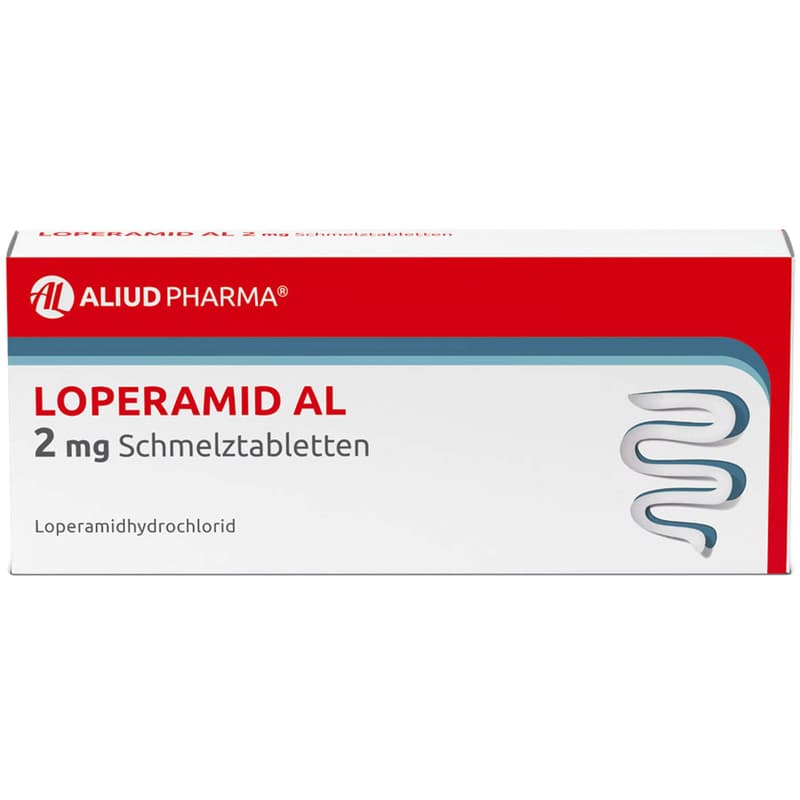
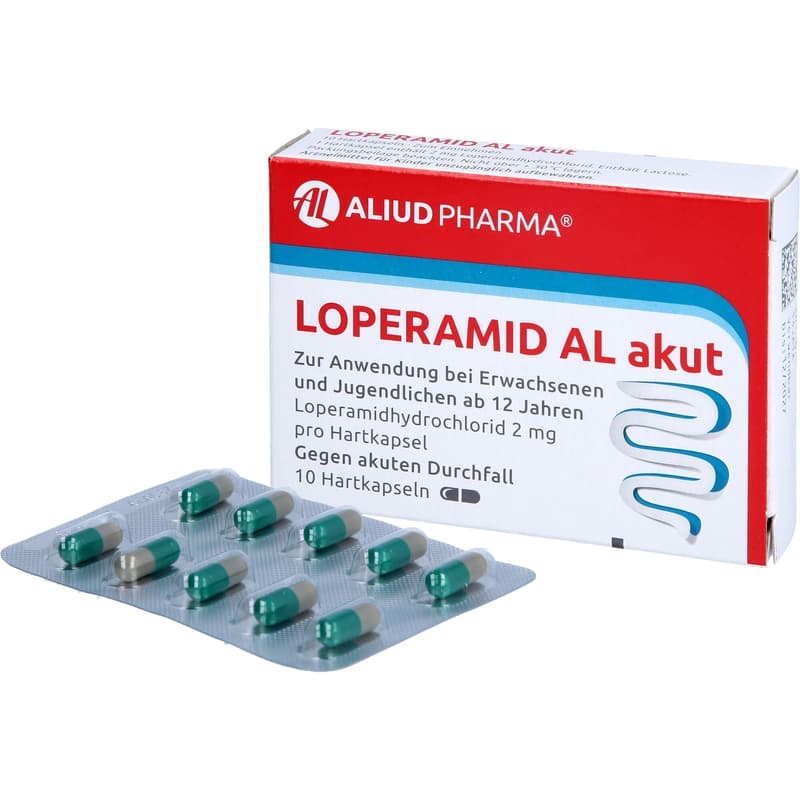
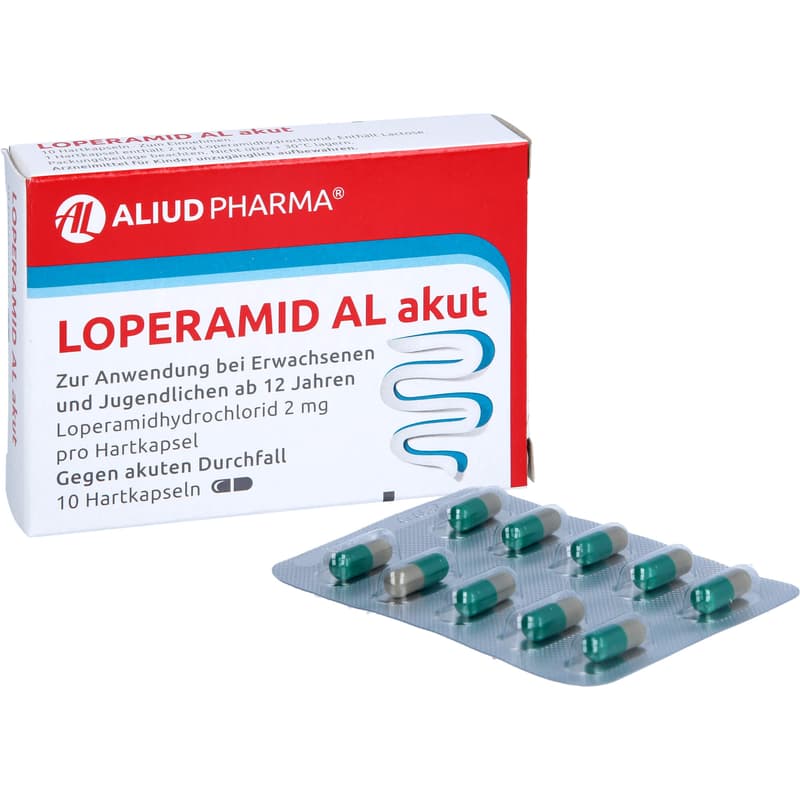
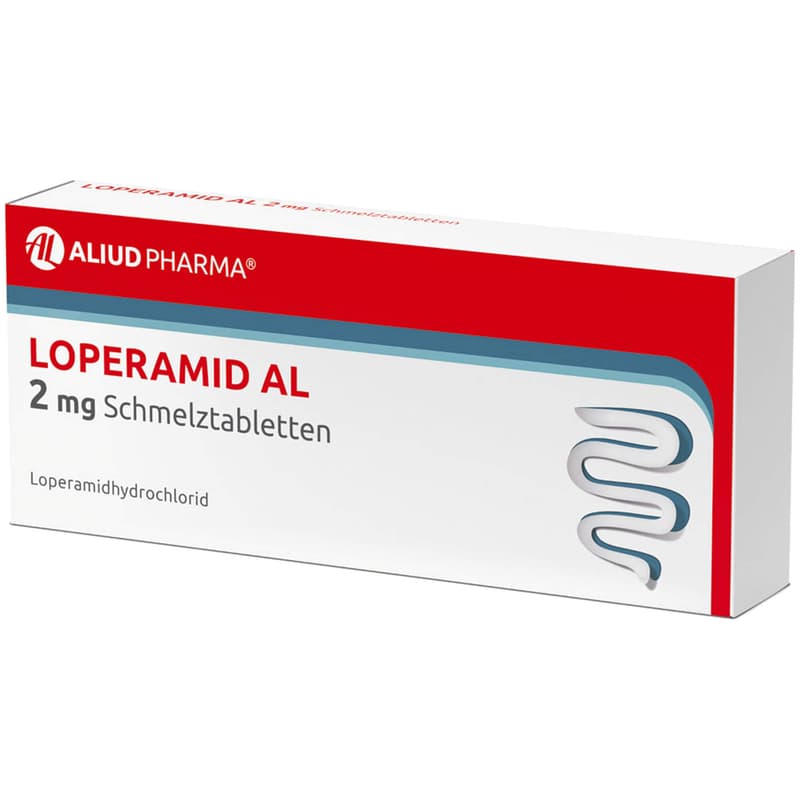
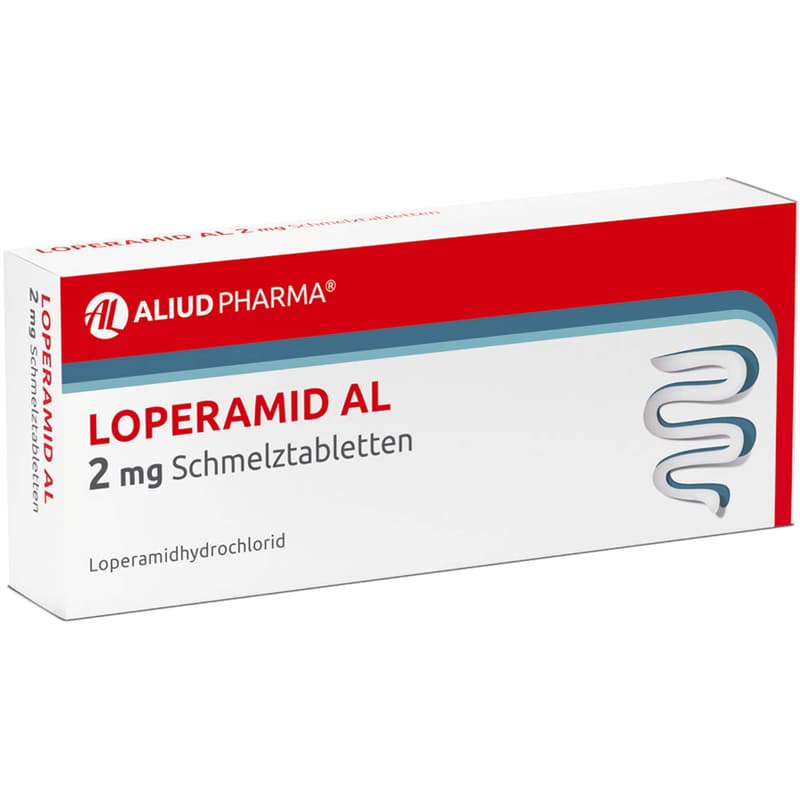
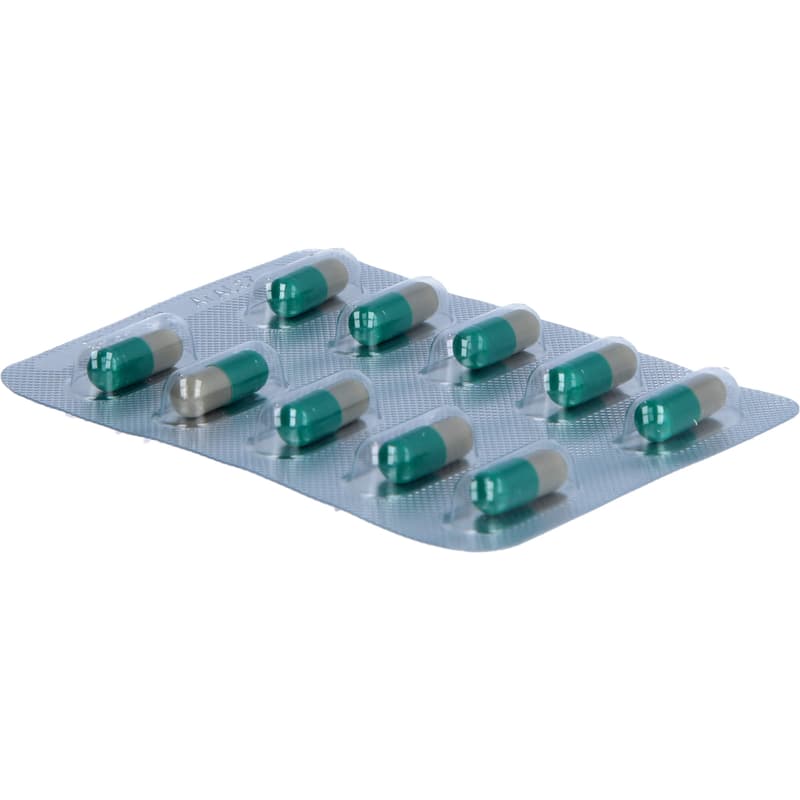
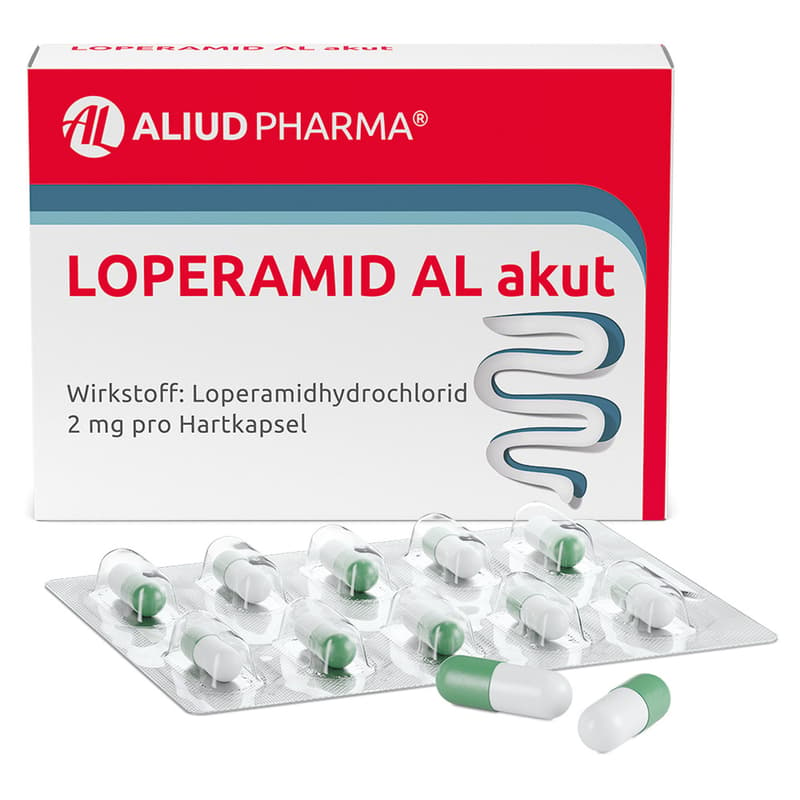
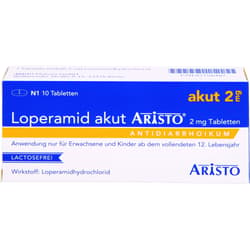
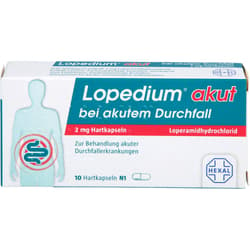
LOPERAMID AL akut hard capsules offer reliable relief from acute diarrhea. Each capsule contains 2 mg of loperamide hydrochloride to quickly ease your symptoms. Suitable for adults and teens from 12 years, they should be swallowed unchewed with some liquid. You get 10 hard capsules, which also contain lactose. Please use them for a maximum of two days without consulting a doctor.
Zu Risiken und Nebenwirkungen lesen Sie die Packungsbeilage und fragen Sie Ihre Ärztin, Ihren Arzt oder in Ihrer Apotheke.

Description

You're reading an Auto-translation.
Important notes (mandatory information)
Loperamid AL akut hard capsules. Active ingredient: Loperamide hydrochloride. Areas of application: for the symptomatic treatment of acute diarrhoea for adults and adolescents from 12 years of age, provided that no causal therapy is available.For risks and side effects, read the package leaflet and ask your doctor or pharmacist.
PACKAGE LEAFLET: INFORMATION FOR THE USER
Loperamid AL akut hard capsules for use in adults and children from 12 years of age
Active ingredient: Loperamide hydrochloride 2 mg per hard capsule
Read all of this leaflet carefully before you start taking this medicine because it contains important information for you. Always take this medicine exactly as described in this leaflet or as directed by your doctor or pharmacist.
- Keep the leaflet. You may want to read it again later.
- Ask your pharmacist if you need more information or advice.
- If you get any side effects, talk to your doctor or pharmacist. This also applies to side effects not listed in this leaflet.
- If you do not feel better or if you feel worse after 2 days, contact your doctor.
What this leaflet contains
- WHAT IS LOPERAMID AL AKUT AND WHAT IS IT USED FOR?
- WHAT SHOULD YOU CONSIDER BEFORE TAKING LOPERAMID AL AKUT?
- HOW TO TAKE LOPERAMID AL AKUT?
- WHAT SIDE EFFECTS ARE POSSIBLE?
- HOW TO STORE LOPERAMID AL AKUT?
- CONTENTS OF THE PACK AND OTHER INFORMATION
Loperamide hydrochloride is an anti-diarrhoea agent. Loperamid AL akut is used for the symptomatic treatment of acute diarrhoea for adults and adolescents from 12 years of age, provided that no causal therapy is available. Treatment with loperamide hydrochloride for more than 2 days should only be carried out under medical prescription and monitoring.
2. WHAT SHOULD YOU CONSIDER BEFORE TAKING LOPERAMID AL AKUT?
Loperamid AL akut must not be taken:
- if you are allergic to the active substance or any of the other ingredients of this medicine listed in section 6.
- by children under 12 years of age (see also section 2. "What should be considered in children").
- if you suffer from conditions in which a slowing down of intestinal activity should be avoided, e.g. distended abdomen, constipation and intestinal obstruction.
- if you suffer from diarrhoea accompanied by fever and/or bloody stools.
- if you suffer from diarrhoea caused by certain microorganisms (bacterial enterocolitis).
- if you suffer from diarrhoea that occurs during or after the use of antibiotics (pseudomembranous [antibiotic-associated] colitis).
- if you suffer from chronic diarrhoeal diseases. (These diseases should only be treated with loperamide under medical prescription.)
- if you suffer from an acute attack of ulcerative colitis (ulcerative colitis).
Children under 2 years of age must not be treated with loperamide-containing medicines. Children between 2 and 12 years of age must only be treated with loperamide-containing medicines under medical prescription.
Warnings and precautions
Please talk to your doctor or pharmacist before taking Loperamid AL akut:- if you have AIDS and are taking Loperamid AL akut for acute diarrhoea. You should stop taking Loperamid AL akut for acute diarrhoea at the first signs of a distended abdomen and consult your doctor. There are individual reports of severe inflammatory enlargement of the colon (toxic megacolon) in AIDS patients. These patients suffered from infectious colitis caused by viral and bacterial pathogens and were treated with loperamide hydrochloride.
- if you suffer from a liver disease, consult your doctor before taking it. Loperamid AL akut should only be taken under medical prescription if you have or have had a liver disease, because the breakdown of loperamide hydrochloride may be delayed in severe liver diseases.
Taking Loperamid AL akut together with other medicines
Tell your doctor or pharmacist if you are taking, have recently taken or might take any other medicines. Please talk to your doctor in particular if you have to take one or more of the following medicines/active ingredients regularly or occasionally:- Ritonavir (a medicine to treat HIV infection)
- Itraconazole, ketoconazole (medicines to treat fungal infections)
- Quinidine (a medicine to treat heart rhythm disorders)
- Gemfibrozil (a medicine to treat elevated blood fats)
- Desmopressin (a medicine to treat increased urination)
Pregnancy and
breastfeeding
If you are pregnant or breastfeeding, or if you suspect you may be pregnant or are planning to have a baby, ask your doctor or pharmacist for advice before taking this medicine.Pregnancy
The use of Loperamid AL should be avoided in the first months of pregnancy. However, it can be used in the second and third trimesters.Breastfeeding
If dietary measures are not sufficient, Loperamid AL can be used during breastfeeding after consulting your doctor.Driving and using machines
Diarrhoea or the use of Loperamid AL akut can cause tiredness, dizziness and drowsiness. Therefore, caution is advised when driving or operating machinery.Loperamid AL akut contains lactose
Therefore, please only take Loperamid AL akut after consulting your doctor if you know that you suffer from an intolerance to certain sugars.3. HOW TO TAKE LOPERAMID AL AKUT?
Always take this medicine exactly as described in this leaflet or exactly as agreed with your doctor or pharmacist. Check with your doctor or pharmacist if you are not sure. Unless otherwise prescribed by your doctor, the usual dose is:
Adults
Initial dose 2 hard capsules, repeat dose 1 hard capsule, maximum daily dose 6 hard capsules.Adolescents from 12 years of age
Initial dose 1 hard capsule, repeat dose 1 hard capsule, maximum daily dose 4 hard capsules.At the beginning of the treatment of acute diarrhoea, the initial dose is taken. Thereafter, the repeat dose should be taken after each unformed stool. The recommended maximum daily dose must not be exceeded.
Children under 12 years of age
Loperamid AL akut is not suitable for children under 12 years of age.Method of administration
The hard capsules should be swallowed whole with some liquid.Duration of use
Do not take Loperamid AL akut for more than 2 days without medical advice. If diarrhoea persists after 2 days of treatment with Loperamid AL akut, Loperamid AL akut must be discontinued and a doctor must be consulted. Treatment with loperamide-containing medicines for more than 2 days should only be carried out under medical prescription and monitoring.If you have taken more Loperamid AL akut than you should
See a doctor as soon as possible, especially if you experience unusual symptoms (see "Notes for the doctor"). Notes for the doctor: Signs of an overdose of loperamide hydrochloride (including a relative overdose due to hepatic dysfunction) may include CNS depression such as stupor (state of torpor of the body), abnormal coordination, somnolence (drowsiness), miosis (pupil constriction), increased muscle tone and respiratory depression (reduced breathing) as well as constipation, ileus and urinary retention. Children may be more sensitive to the CNS effects than adults. Treatment depends on the overdose symptoms and the clinical picture. Under medical monitoring, the opioid antagonist naloxone can be used as an antidote on a trial basis. Since loperamide has a longer duration of action than naloxone, repeated administration of naloxone may be indicated. The patient should therefore be closely monitored for at least 48 hours to detect a possible (re)occurrence of overdose symptoms. To remove any active substance residues still present in the stomach, gastric lavage may be performed if necessary.If you forget to take Loperamid AL akut
Do not take a double dose to make up for a forgotten dose.If you have any further questions on the use of this medicine, ask your doctor or pharmacist.
4. WHAT SIDE EFFECTS ARE POSSIBLE?
Like all medicines, this medicine can cause side effects, although not everybody gets them. The following side effects have been observed in clinical studies
Common (may affect up to 1 in 10 people):- Constipation, nausea, flatulence
- Dizziness, headache
- Pain and discomfort in the gastrointestinal tract, dry mouth
- Pain in the upper abdomen, vomiting
- Indigestion
- Skin rash
- distended abdomen
- Hypersensitivity reactions, anaphylactic reactions (including anaphylactic shock), anaphylactoid reactions
- Drowsiness, unconsciousness, state of torpor of the body, increased muscle tone, muscle stiffness, coordination disorders
- Pupil constriction
- Intestinal obstruction (ileus, including paralytic ileus), enlargement of the colon (megacolon, including toxic megacolon), burning tongue
- Blistering skin diseases (including Stevens-Johnson syndrome, toxic epidermal necrolysis and erythema multiforme), swelling of the skin or mucous membranes due to fluid accumulation in the tissue (angioedema), hives, itching
- Urinary retention
- Fatigue
Reporting of side effects
If you get any side effects, talk to your doctor or pharmacist. This also applies to side effects not listed in this leaflet. You can also report side effects directly to the Federal Institute for Drugs and Medical Devices, Dept. of Pharmacovigilance, Kurt-Georg-Kiesinger Allee 3, D-53175 Bonn, website: www.bfarm.de. By reporting side effects, you can help to provide more information on the safety of this medicine.5. HOW TO STORE LOPERAMID AL AKUT?
Keep this medicine out of the reach of children. Do not use this medicine after the expiry date which is stated on the carton and the blister pack after "Use by". The expiry date refers to the last day of the month. Do not store above + 30°C. Do not dispose of medicines in wastewater or household waste. Ask your pharmacist how to dispose of the medicine when you no longer use it. This helps to protect the environment.
6. CONTENTS OF THE PACK AND OTHER INFORMATION
What Loperamid AL akut contains
The active substance is loperamide hydrochloride. 1 hard capsule contains 2 mg loperamide hydrochloride. The other ingredients are: gelatine, lactose monohydrate, magnesium stearate (Ph. Eur.), maize starch, talc, quinoline yellow (E 104), iron(III) hydroxide oxide (E 172), iron(II,III) oxide (E 172), indigo carmine (E 132), titanium dioxide (E 171).What Loperamid AL akut looks like and contents of the pack
Grey-green opaque hard gelatine capsule, filled with a white powder. Loperamid AL akut is available in packs of 10 hard capsules.Pharmaceutical entrepreneur
Aliud Pharma GmbHGottlieb-Daimler-Straße 19
D-89150 Laichingen
info@aliud.de
Manufacturer
Stada Arzneimittel AGStadastraße 2âEUR«18
61118 Bad Vilbel
This leaflet was last revised in March 2014.
Source: Information from the package leaflet
Status: 10/2017
Active ingredient: Loperamide hydrochloride. Areas of application: for the symptomatic treatment of acute diarrhoea for adults and adolescents from 12 years of age, provided that no causal therapy is available.
Information leaflet
Download the information leafletComposition & Allergens
Composition
Wirkstoff: Loperamidhydrochlorid