
Product from:
Preussen
4283€
Only a few items left
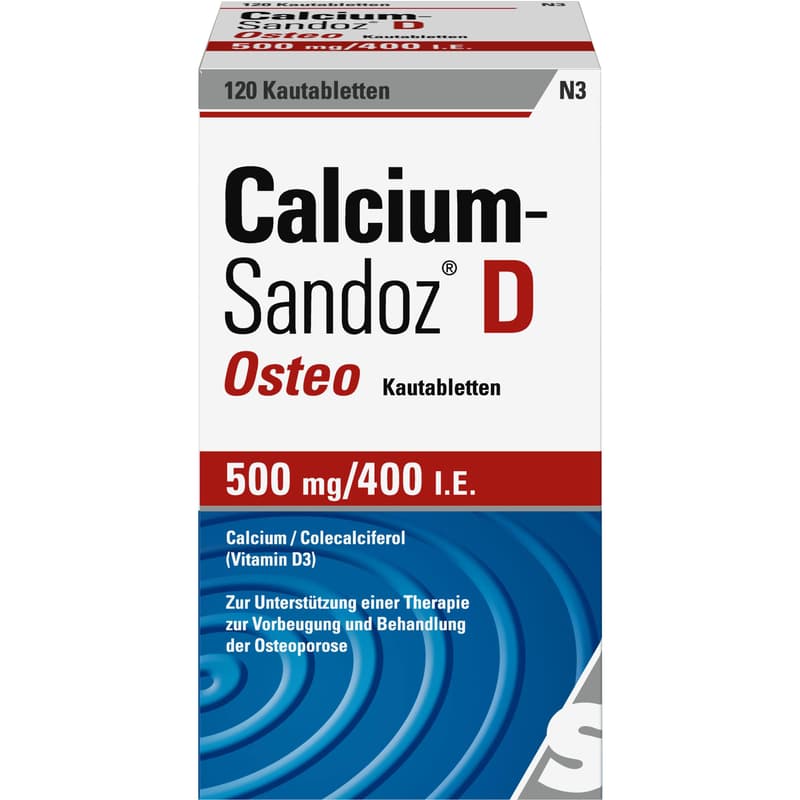
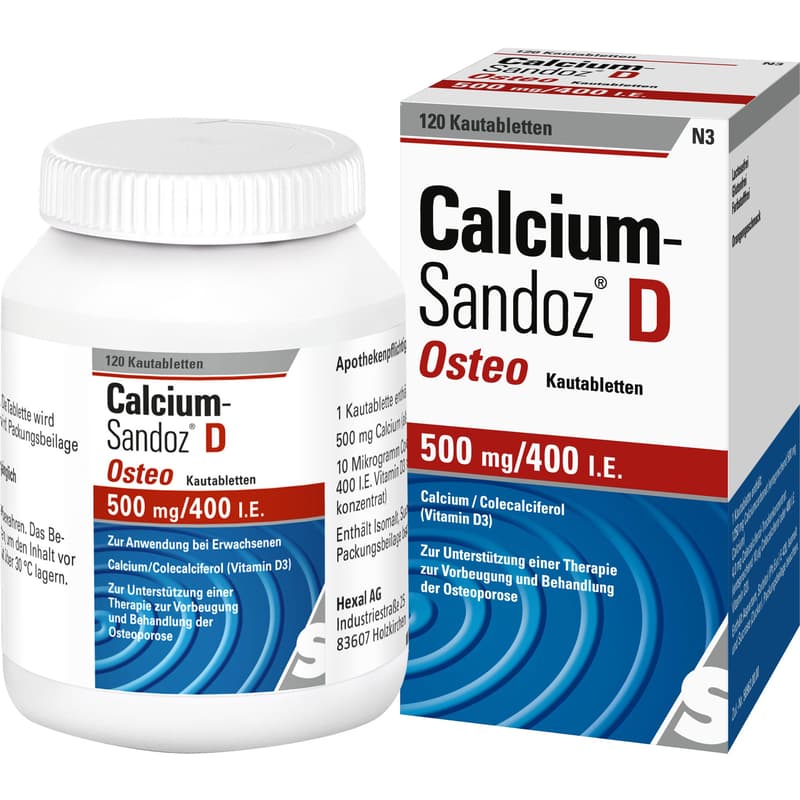
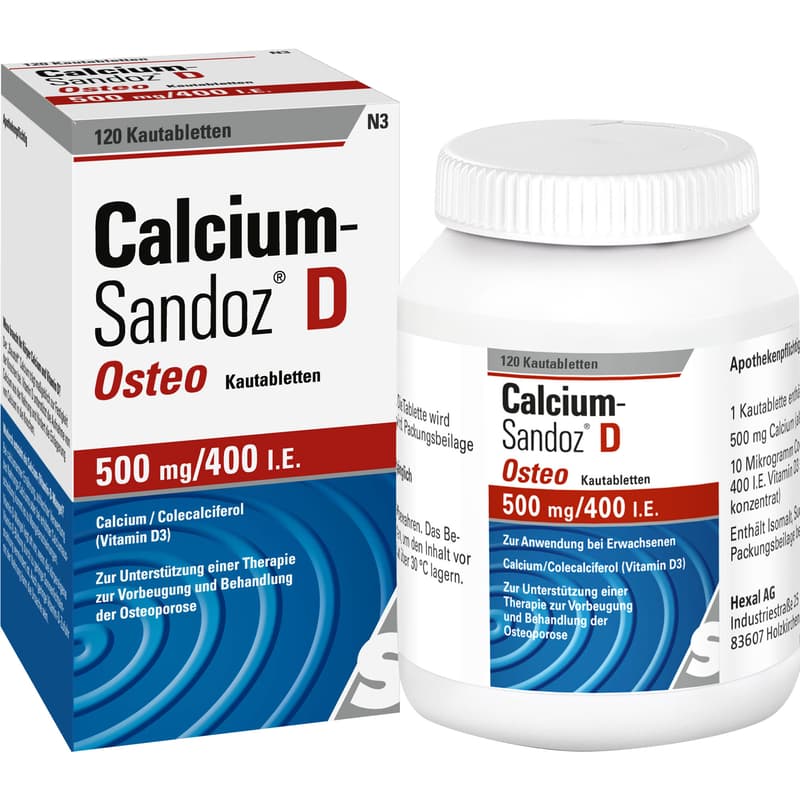
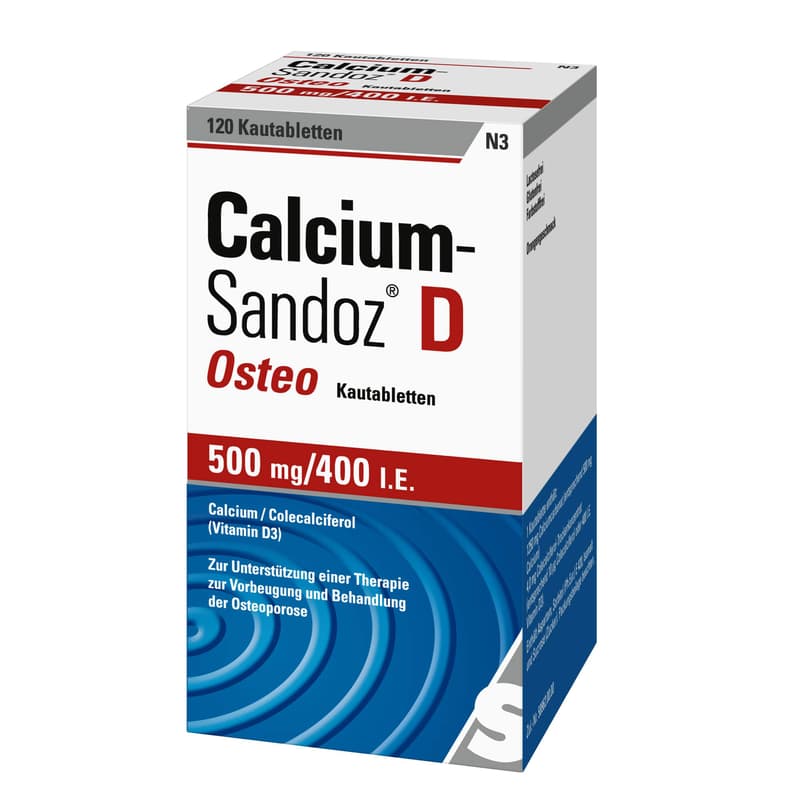
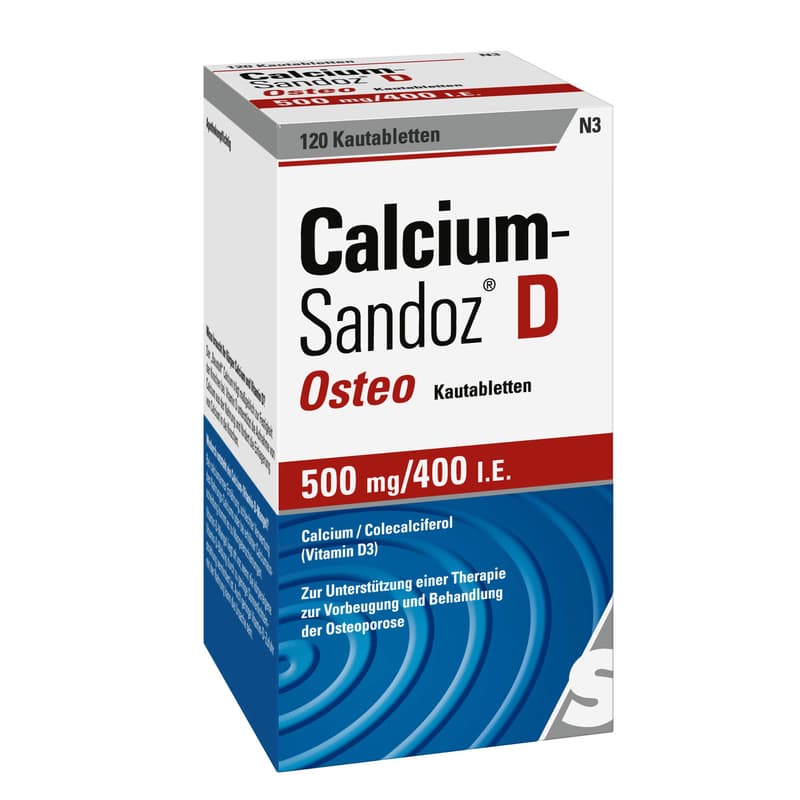
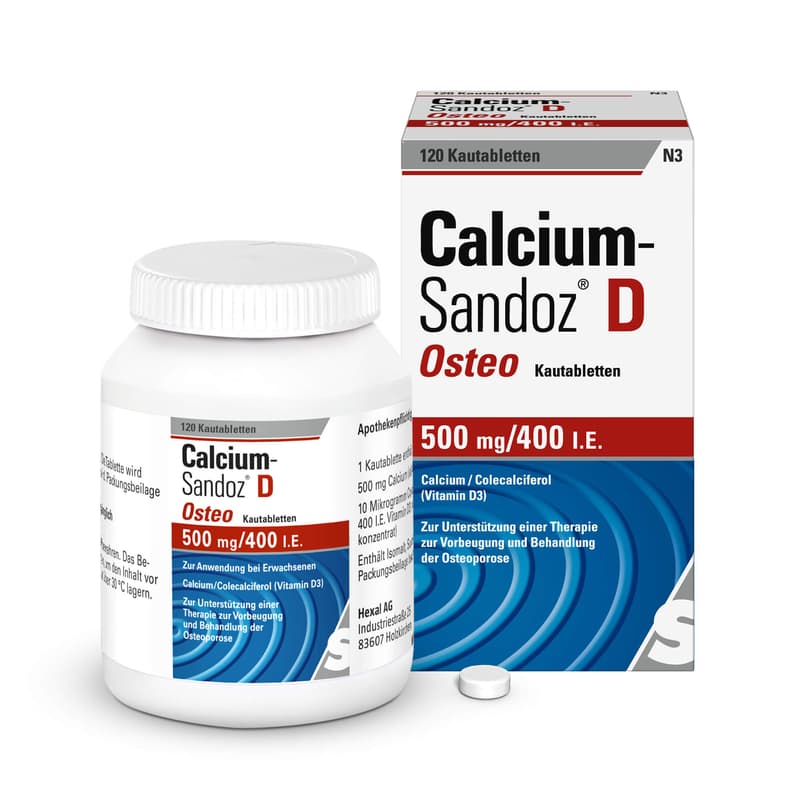
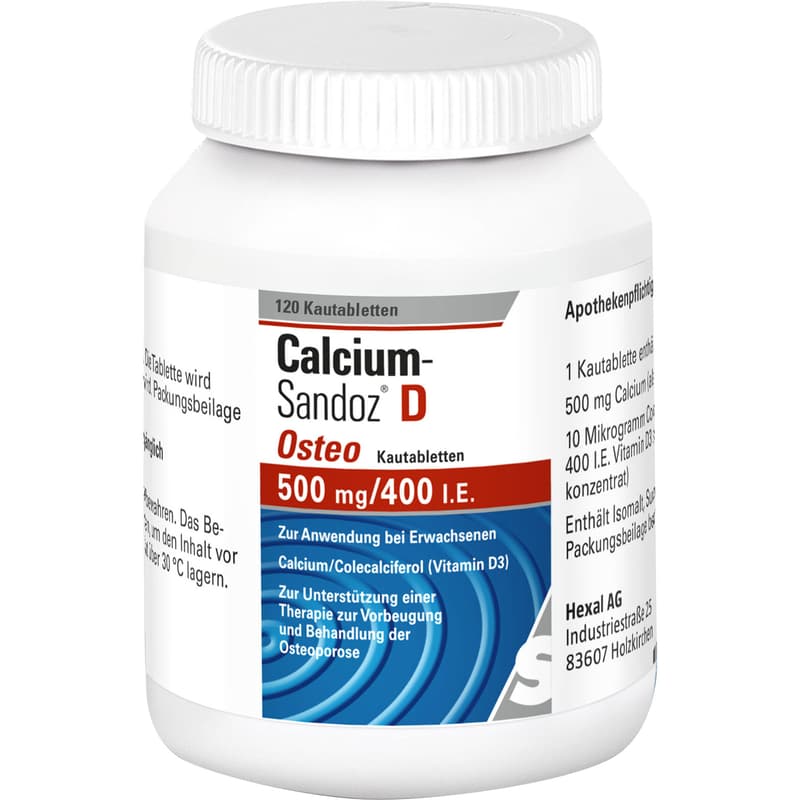
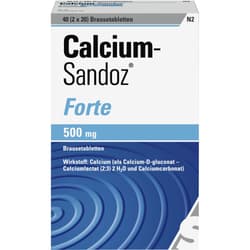
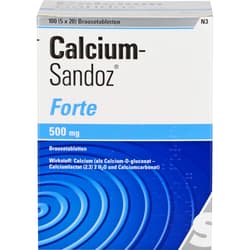
Calcium-Sandoz D Osteo chewable tablets are a high-quality supplement designed to prevent and treat vitamin D and calcium deficiencies, especially in older adults. This practical 120-piece pack provides 500 mg of calcium and 400 I.U. of vitamin D3 per tablet to support osteoporosis therapy. The round, uncoated tablets are easy to take and feature a pleasant orange flavor.
Zu Risiken und Nebenwirkungen lesen Sie die Packungsbeilage und fragen Sie Ihre Ärztin, Ihren Arzt oder in Ihrer Apotheke.





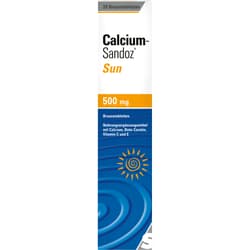
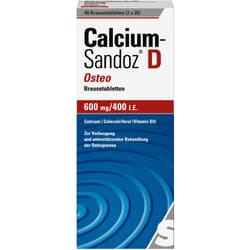
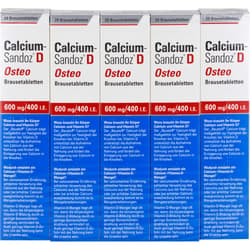
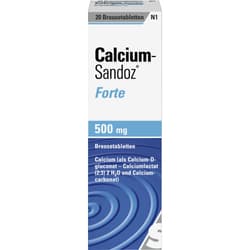
Description

You're reading an Auto-translation.
Important notes (mandatory information)
Calcium-Sandoz D Osteo Chewable Tablets 500 mg/400 IU. Areas of application: for the prevention and treatment of vitamin D and calcium deficiencies in the elderly; as a vitamin D and calcium supplement to support specific therapy for the prevention and treatment of osteoporosis.For risks and side effects, read the package leaflet and consult your doctor or pharmacist.
PACKAGE LEAFLET: INFORMATION FOR THE USER
Calcium-Sandoz D Osteo Chewable Tablets 500 mg/400 IU for use in adults
Active ingredients: Calcium and cholecalciferol (vitamin D3)
Read the entire package leaflet carefully before you start taking this medicine, as it contains important information. Always take this medicine exactly as described in this leaflet or exactly as directed by your doctor or pharmacist.
- Keep the package leaflet. You may want to read it again later.
- Ask your pharmacist if you need more information or advice.
- If you experience any side effects, talk to your doctor or pharmacist. This also applies to side effects not listed in this leaflet. See section 4.
- If you do not feel better or even worse, talk to your doctor.
What this leaflet contains
- WHAT IS CALCIUM-SANDOZ D OSTEO AND WHAT IS IT USED FOR?
- WHAT SHOULD YOU CONSIDER BEFORE TAKING CALCIUM-SANDOZ D OSTEO?
- HOW SHOULD CALCIUM-SANDOZ D OSTEO BE TAKEN?
- WHAT SIDE EFFECTS ARE POSSIBLE?
- HOW SHOULD CALCIUM-SANDOZ D OSTEO BE STORED?
- CONTENTS OF THE PACK AND OTHER INFORMATION
Calcium-Sandoz D Osteo is a calcium-vitamin D3 preparation.
Calcium-Sandoz D Osteo is used:
- for the prevention and treatment of vitamin D and calcium deficiencies in the elderly.
- as a vitamin D and calcium supplement to support specific therapy for the prevention and treatment of osteoporosis.
2. WHAT SHOULD YOU CONSIDER BEFORE TAKING CALCIUM-SANDOZ D OSTEO?
Calcium-Sandoz D Osteo must not be taken:
- if you are allergic to calcium carbonate, cholecalciferol or any of the other ingredients of this medicine listed in section 6.
- in case of excessive calcium concentrations in the blood (hypercalcemia) and/or increased calcium excretion in the urine (hypercalciuria)
- in conditions that result in an increase in the calcium content of the blood (hypercalcemia) or increased calcium excretion in the urine (hypercalciuria) (e.g. overactivity of the parathyroid glands, a disease of the bone marrow [myeloma], a malignant bone tumor [bone metastases]).
- if you suffer from severe impairment of kidney function or kidney failure.
- in case of kidney stones or calcium deposits in the kidneys.
- if you have an excessively high vitamin D level in your blood (hypervitaminosis D).
Warnings and precautions
Please talk to your doctor or pharmacist before taking Calcium-Sandoz D Osteo:- if you suffer from a certain lung disease (sarcoidosis). There is a risk of increased conversion of vitamin D into its active form. The calcium level in the blood and urine should be monitored.
- During long-term use, your doctor must check the calcium level in your blood and monitor kidney function by measuring serum creatinine levels. Monitoring is particularly important in elderly patients who are also being treated with heart-strengthening (cardiac glycosides) or diuretics (diuretics) (see "Taking Calcium-Sandoz D Osteo with other medicines"). This also applies if you have a pronounced tendency to form stones. If hypercalcemia (elevated calcium levels in the blood) or signs of impaired kidney function occur, the dose must be reduced or the intake discontinued. It is advisable to reduce the dose or temporarily discontinue treatment if the calcium content in the urine exceeds 7.5 mmol/24 hours (300 mg/24 hours).
- if you suffer from impaired kidney function, Calcium-Sandoz D Osteo should be used with caution, with monitoring of calcium and phosphate levels. The risk of soft tissue calcification must be taken into account. In severe renal impairment, vitamin D in the form of cholecalciferol is not normally metabolised. Your doctor must therefore prescribe a different vitamin D preparation for you (see "Calcium-Sandoz D Osteo must not be taken").
- if you suffer from immobilisation osteoporosis (bone loss after prolonged complete immobilisation of limbs), as there is an increased risk of hypercalcemia (excessively high calcium concentrations in the blood).
- if you are also prescribed other vitamin D preparations, your doctor should take into account the dose of 400 IU vitamin D3 per chewable tablet administered with Calcium-Sandoz D Osteo. Additional intake of calcium or vitamin D should only be taken under close medical supervision. In these cases, regular monitoring of calcium levels in blood and urine is necessary.
- when taking Calcium-Sandoz D Osteo, the calcium and alkali intake (e.g. carbonates) from other sources (food, fortified foods or other medicines) should be taken into account. If high doses of calcium are taken at the same time as e.g. carbonates, this can lead to milk-alkali syndrome (Burnett syndrome). Milk-alkali syndrome is a calcium metabolism disorder with an increase in the calcium level in the blood (hypercalcemia), undersaturation of the blood (metabolic alkalosis), kidney failure and soft tissue calcification. It can be triggered by the intake of very large amounts of milk and/or calcium carbonate from other sources or by excessive use of antacids (medicines for stomach acidity). When taking high doses, the calcium level in blood and urine should be checked.
Children and adolescents
Calcium-Sandoz D Osteo is not intended for use in children and adolescents.Taking Calcium-Sandoz D Osteo with other medicines
Tell your doctor or pharmacist if you are taking/using, have recently taken/used or intend to take/use any other medicines. Diuretics of the thiazide type lead to a reduction in calcium excretion in the urine. Due to the increased risk of an elevated calcium content in the blood (hypercalcemia), the serum calcium level should be monitored regularly during concomitant treatment with thiazide diuretics. Systemic corticosteroids (cortisone and cortisone derivatives) reduce calcium absorption. In case of concomitant use, it may be necessary to increase the dose of Calcium-Sandoz D Osteo.The absorption of tetracycline preparations (certain antibiotics) can be reduced by calcium preparations taken at the same time. For this reason, tetracycline preparations should be taken at least 2 hours before or 4 - 6 hours after oral calcium intake. The toxicity of cardiac glycosides can be increased in hypercalcemia (elevated calcium content in the blood) as a result of treatment with calcium and vitamin D. These patients should be monitored for electrocardiogram (ECG) and serum calcium levels. In case of concomitant use of oral bisphosphonates, sodium fluoride or fluoroquinolones (a certain type of antibiotic), these should be taken at least 3 hours before taking Calcium-Sandoz D Osteo, otherwise the absorption of oral bisphosphonates, sodium fluoride or fluoroquinolones in the gastrointestinal tract could be reduced.
Concomitant treatment with orlistat (a medicine for weight loss), ion exchange resins such as colestyramine or laxatives (laxatives) such as paraffin oil can reduce the absorption of vitamin D in the gastrointestinal tract (gastrointestinal absorption). A dosing interval of at least 2 hours should be maintained with Calcium-Sandoz D Osteo, otherwise the absorption of Calcium-Sandoz D Osteo is reduced. Rifampicin (an antibiotic), phenytoin (a medicine for epilepsy) and barbiturates (medicines that help you sleep) can impair the effect of vitamin D3. Calcium can reduce the absorption of iron, zinc and strontium ranelate as well as e.stramustine (a medicine used in chemotherapy) and thyroid hormones. Therefore, please take medicines containing iron, zinc, strontium ranelate, e.stramustine or thyroid hormones at least 2 hours before or 2 hours after taking Calcium-Sandoz D Osteo.
Taking Calcium-Sandoz D Osteo with food and drink
Oxalic acid (found in spinach and rhubarb) and phytic acid (found in whole grains) can inhibit calcium absorption by forming insoluble compounds with calcium ions. After consuming foods with a high content of oxalic or phytic acid, you should not take calcium-containing medicines for 2 hours.Pregnancy and
breastfeeding
If you are pregnant or breastfeeding, or if you suspect you may be pregnant or are planning to become pregnant, ask your doctor or pharmacist for advice before taking this medicine.Pregnancy
Calcium-Sandoz D Osteo can be taken during pregnancy if there is a calcium and vitamin D deficiency. During pregnancy, the daily intake should not exceed 1,500 mg of calcium and 600 IU of vitamin D. Overdoses of vitamin D during pregnancy have been shown to cause malformations in animal studies. Overdoses of calcium and vitamin D must be avoided during pregnancy, as a permanently elevated calcium content in the blood (hypercalcemia) can have undesirable effects on the developing, unborn child (delayed physical and mental development, special forms of aortic stenosis [supravalvular aortic stenosis] and retinal diseases [retinopathy]). There is no evidence that vitamin D in therapeutic doses has a malformative (teratogenic) effect in humans.Breastfeeding
Calcium-Sandoz D Osteo can be taken during breastfeeding. Calcium and vitamin D3 pass into breast milk. This should be taken into account if the child receives additional doses of vitamin D.Driving and using machines
There are no data on the influence of this medicine on driving ability. It cannot be ruled out that the unusual fatigue or weakness that occurs during the very rare milk-alkali syndrome could have an influence on driving ability and the ability to operate machinery.Calcium-Sandoz D Osteo contains isomalt, sucrose and sodium
Please take Calcium-Sandoz D Osteo only after consulting your doctor if you are known to suffer from an intolerance to certain sugars. Calcium-Sandoz D Osteo can be harmful to the teeth. This medicine contains less than 1 mmol sodium (23 mg) per chewable tablet, i.e. it is virtually "sodium-free".3. HOW SHOULD CALCIUM-SANDOZ D OSTEO BE TAKEN?
Always take this medicine exactly as described in this leaflet or exactly as directed by your doctor or pharmacist. Check with your doctor or pharmacist if you are not sure. The recommended dose for adults, including the elderly: 1 chewable tablet 2 times a day. The tablet is chewed before it is swallowed. In pregnancy 1 chewable tablet once a day (see also section 2 under "Pregnancy and breastfeeding"). Calcium-Sandoz D Osteo is not intended for use by children and adolescents under 18 years of age. No dose adjustment is necessary in case of liver dysfunction. Calcium-Sandoz D Osteo must not be taken by patients with severe renal impairment. Your doctor will decide on the duration of treatment with Calcium-Sandoz D Osteo.
If you have taken more Calcium-Sandoz D Osteo than you should
An overdose can lead to loss of appetite, increased thirst and increased fluid intake, nausea, vomiting, constipation, abdominal pain, increased urine output, dehydration, muscle weakness, exhaustion, mental disorders, bone pain, calcium deposits in the kidneys and kidney stones. In severe cases, cardiac arrhythmias may occur. Persistent high calcium levels can lead to irreversible kidney damage and soft tissue calcification. Chronic overdose can lead to vascular and organ calcification. If you suspect an overdose, please contact your doctor immediately. He can initiate any necessary measures.If you forget to take Calcium-Sandoz D Osteo
Do not take twice the amount if you have forgotten to take the previous dose.If you stop taking Calcium-Sandoz D Osteo
If you wish to interrupt or discontinue treatment prematurely, please talk to your doctor.If you have any further questions about taking this medicine, ask your doctor or pharmacist.
4. WHAT SIDE EFFECTS ARE POSSIBLE?
Like all medicines, this medicine can cause side effects, although not everybody gets them.
Possible side effects
Serious, allergic hypersensitivity reactions have occurred with unknown frequency (frequency not estimable from the available data). If you experience any of the following symptoms, you should see your doctor immediately: swelling of the face, tongue, lips (angioedema) or swelling in the throat (laryngeal oedema).Uncommon (may affect up to 1 in 100 people):
- elevated calcium content in the blood (hypercalcemia).
- increased calcium excretion in the urine (hypercalciuria).
- itching (pruritus)
- skin rash
- hives (urticaria)
- flatulence
- constipation
- diarrhoea (diarrhoea)
- nausea, abdominal pain
- isolated cases of systemic allergic reactions (anaphylactic reaction, facial oedema, angioneurotic oedema).
- Milk-alkali syndrome (also known as Burnett syndrome, usually only occurs with excessive calcium intake), symptoms include frequent urination, headache, loss of appetite, nausea or vomiting, unusual fatigue or weakness, together with elevated calcium levels in the blood, undersaturation of the blood (metabolic alkalosis), soft tissue calcification and impaired kidney function.
- vomiting
Reporting of side effects
If you experience any side effects, talk to your doctor or pharmacist. This also applies to side effects not listed in this leaflet. You can also report side effects directly to the Federal Institute for Drugs and Medical Devices, Dept. of Pharmacovigilance, Kurt-Georg-Kiesinger-Allee 3, D-53175 Bonn, website: www.bfarm.de. By reporting side effects, you can help provide more information about the safety of this medicine.5. HOW SHOULD CALCIUM-SANDOZ D OSTEO BE STORED?
Keep this medicine out of the reach of children. Do not use this medicine after the expiry date which is stated on the label and carton after "use by". The expiry date refers to the last day of the month indicated. Do not store above 30°C. Store in the original package. Keep the container tightly closed to protect the contents from moisture. Never dispose of medicines via wastewater (e.g. not via the toilet or sink). Ask your pharmacist how to dispose of the medicine when you no longer use it. In this way, you help to protect the environment. Further information can be found at www.bfarm.de/arzneimittelentsorgung.
6. CONTENTS OF THE PACK AND OTHER INFORMATION
What Calcium-Sandoz D Osteo contains
The active ingredients are: Calcium (as carbonate) and cholecalciferol (vitamin D3). 1 chewable tablet contains: 500 mg calcium (as calcium carbonate) and 10 micrograms cholecalciferol (equivalent to 400 IU vitamin D3 as cholecalciferol dry concentrate). The other ingredients are: xylitol, orange flavour (contains: isomalt [Ph.Eur.]), povidone K30, magnesium stearate (Ph.Eur.) [vegetable], sucralose, all-rac-alpha-tocopherol, sucrose, sodium ascorbate, medium-chain triglycerides, highly dispersed silicon dioxide, starch, modified (maize).What Calcium-Sandoz D Osteo looks like and contents of the pack
Calcium-Sandoz D Osteo Chewable Tablets are round, white, uncoated chewable tablets with orange flavour, which may contain small specks. Calcium-Sandoz D Osteo Chewable Tablets are packed in HDPE bottles and are available in packs of 20, 30, 40, 50, 60, 90, 100Information leaflet
Download the information leafletComposition & Allergens
Composition
Wirkstoff: Calcium und Colecalciferol (Vitamin D3)