Low Carb Recipes vs. Keto: The Best Dishes & Differences
Fewer carbohydrates on your plate, but maximum flavor in everyday life: Whether you are aiming for your feel-good weight with flexible low-carb recipes or want to specifically shift your metabolism into ketosis with a strict ketogenic diet: Learn the key difference in macronutrients here, discover quick dishes for any evening, and explore smart ingredient alternatives delivered farm-fresh straight to your door by Knuspr.
Low Carb vs. Keto: The Philosophy & the Plate
At first glance, low carb and the ketogenic diet seem like kindred spirits: both forms of nutrition consistently eliminate simple sugars, white flour products, and sugary soft drinks from the meal plan. However, while a moderate low-carb cuisine focuses above all on balance, everyday suitability, and a noticeable relief of blood sugar levels, keto is a biochemically precisely controlled nutritional protocol with one clear goal: ketosis.
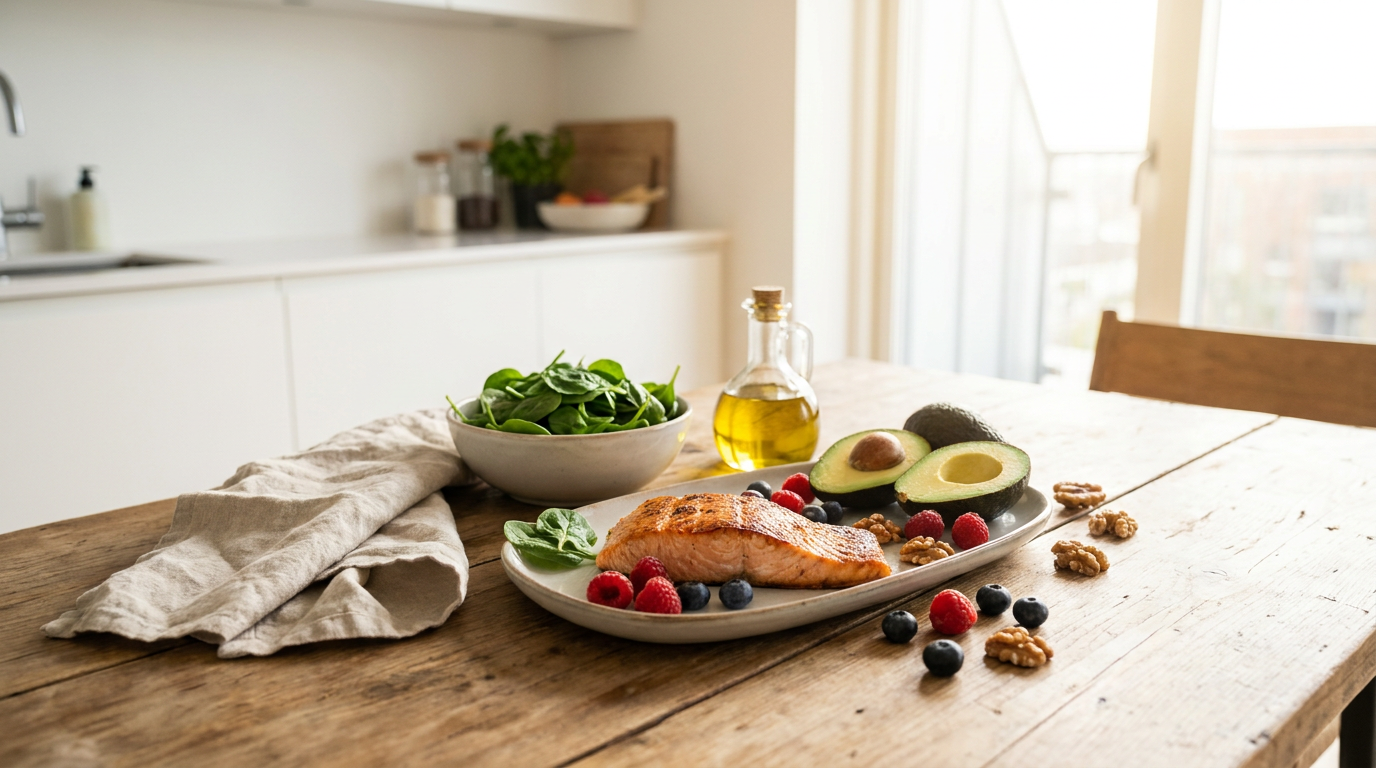
Why does this difference set the tone in your kitchen? With classic low-carb recipes, you have a colorful variety of crunchy vegetables, low-sugar wild berries, protein-rich dairy products such as cottage cheese and low-fat quark, as well as lean meats and fish open to you. You don't need to place a kitchen scale next to the pan; instead, you replace filling starchy side dishes like pasta, rice, or potatoes with fiber-rich vegetable alternatives. With keto, on the other hand, healthy fat forms the absolute energetic main pillar, while even some types of vegetables have to be restricted due to their natural fructose content.
Low Carb: Relaxed & Sustainable
Allows approx. 50 to 130 grams of carbohydrates per day. You enjoy plenty of fresh vegetables, berries, quark, legumes in moderation, and wholesome protein. Perfect for families, working professionals, and anyone who wants to stay delightfully and sustainably vital without strict calorie tracking.
Keto: High-Fat & Rigorous
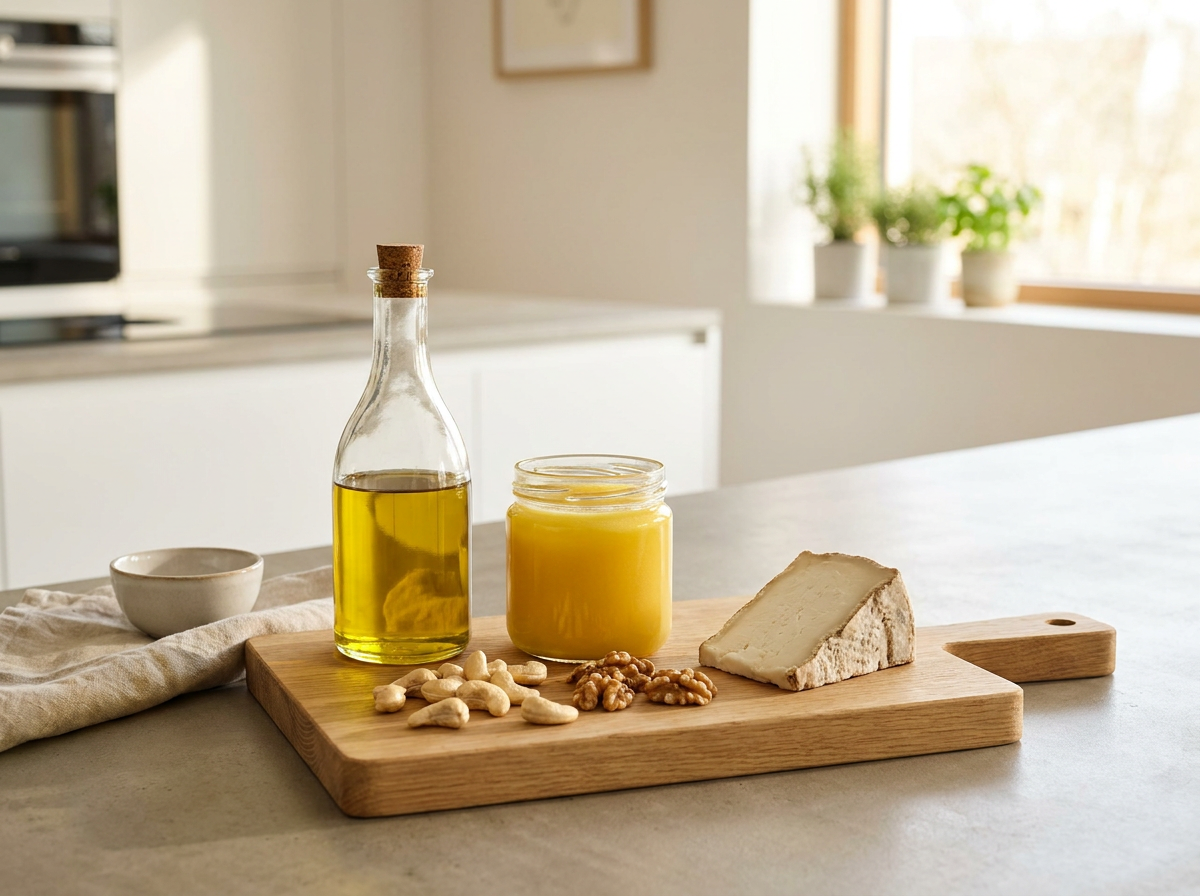
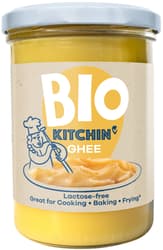
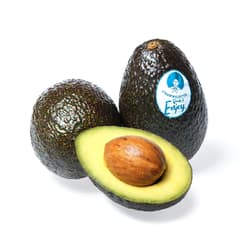
Strictly limits carbohydrates to a maximum of 20 to 50 grams per day. Around 70 to 80 percent of daily energy comes from high-quality fats such as olive oil, ghee, nuts, and avocado. The goal is the transition from glucose to ketone body burning.
The macro comparison at a glance: Grams, ketosis & energy
The difference between low carb and keto lies in the nutrient percentages of your meals. While with low carb you are welcome to keep the protein content high (important for muscle maintenance, satiety, and recovery), keto demands a strict balance: Too much protein can be converted back into glucose via the body's own gluconeogenesis and knock you out of ketosis.
The table illustrates how your plate should be composed when looking for targeted recipes:
| Feature | Moderate Low-Carb Diet | Ketogenic Diet (Keto) |
|---|---|---|
| Carbohydrates / day | 50 to 130 grams (relaxed, rich in fiber) | Under 20 to 50 grams (strict net carbs) |
| Fat percentage | 30 to 50% of total energy | 70 to 80% of total energy (fat is fuel) |
| Protein percentage | 25 to 35% (emphasis on high protein) | 15 to 25% (moderate to maintain ketosis) |
| Vegetable selection | Almost all types of vegetables, including root vegetables | Strictly green and growing above ground (broccoli, zucchini, spinach) |
| Fruit & berries | Berries, apples, citrus fruits in moderation are fine | Only minimal amounts of raspberries or blackberries |
| Main fat sources | Cold-pressed oils, nuts, seeds, avocado | Pure ghee, virgin olive oil, MCT oil, grass-fed butter, fatty fish |
However, an iron rule applies to both approaches: Quality beats quantity. Low-quality vegetable fats with high inflammatory potential have as little place in the pan as hidden sugar in ready-made sauces. Opt for premium, cold-pressed organic oils, gently produced ghee, and natural nuts, which we deliver to you directly from selected mills and artisan producers.
Quick Low-Carb Recipes for After Work: Under 25 Minutes
After a demanding day at work, there is often little time or energy for elaborate culinary experiments. This is precisely where modern low-carb cuisine shines: Fresh Meat & Fish, tender pan-fried vegetables, and savory Cheese usually cook in the pan or oven much faster than potato gratin or starchy braised dishes.
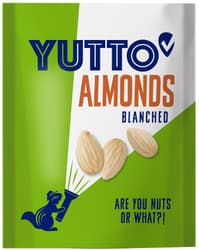
The secret to a successful low-carb dinner without carbohydrates is to cleverly combine texture and umami. Crunchy broccoli, tender organic chicken breast fillet, and a delicate topping of toasted flaked almonds provide a satisfying bite, while a good olive oil binds the flavors and keeps you full for a long time.
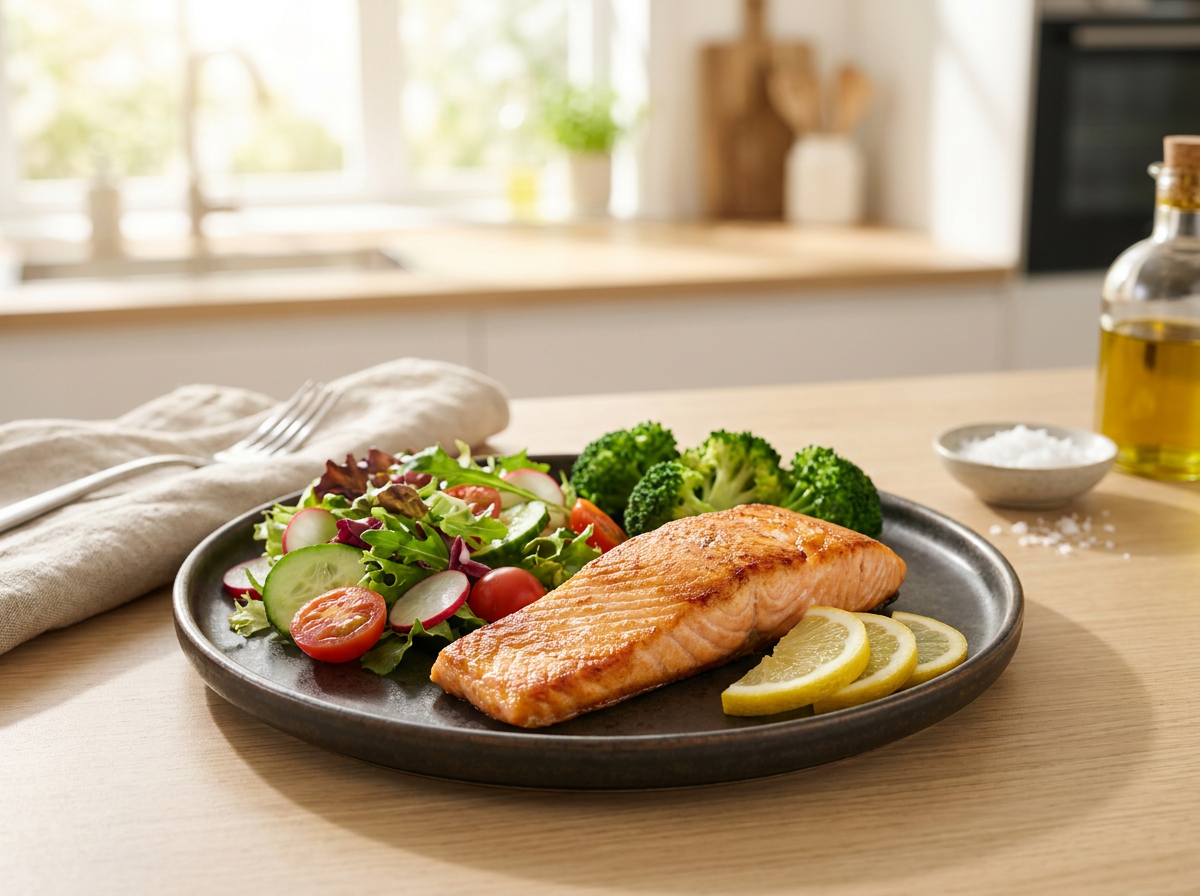
Salmon Fillet on Steamed Lemon Broccoli
Sear fresh salmon fillet skin-side down in olive oil until crispy, while steaming broccoli florets with a little garlic in an adjacent pan. Drizzle with fresh lemon juice and serve with a handful of chopped herbs. A true nutrient powerhouse packed with omega-3 fatty acids.
Crispy Sliced Chicken with Zucchini
Slice tender organic chicken breast fillet into strips, sear over high heat in organic ghee, and add fresh diced zucchini. Finally, deglaze with a bit of herb cream cheese or a spoonful of sour cream. Creamy, savory, and completely roux-free.
Low-Carb Cucumber Rolls with Cream Cheese & Tuna
Use a vegetable peeler to slice cucumbers into wide ribbons, spread with a mixture of low-fat quark, tuna, and chives, then roll up. Inspired by our popular recipe for Cucumber Sushi with Salmon, this comes together in no time.
Baked Cauliflower with Savory Mountain Cheese
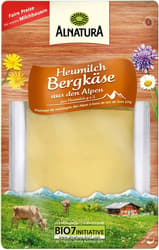
Briefly blanch cauliflower florets, place in a baking dish, mix with diced tomatoes, and bake until golden with savory Alnatura organic mountain cheese. Try our step-by-step recipe for baked cauliflower from the Knuspr kitchen.

 Chicken Breast Fillets, 2 pieces, fresh ~ 350 g vac sealed


Bread & pizza without grain flour: Crispy low-carb alternatives
The biggest stumbling block when switching to a low-carb diet for most people isn't steak or salad, but giving up crispy bread and hot pizza. But thanks to modern flours made from nuts and seeds, you no longer have to miss out on a single one of your favorite dishes.
Grain flours contain around 70 grams of starch per 100 grams. If you replace wheat flour with blanched almond flour, chia flour, or ground flaxseeds from our category for baking ingredients, the net carbohydrate content drops to under 5 to 8 percent. Since nut flours contain no gluten, they require natural binding agents like psyllium husks, eggs, or grated cheese to develop elasticity and bite.
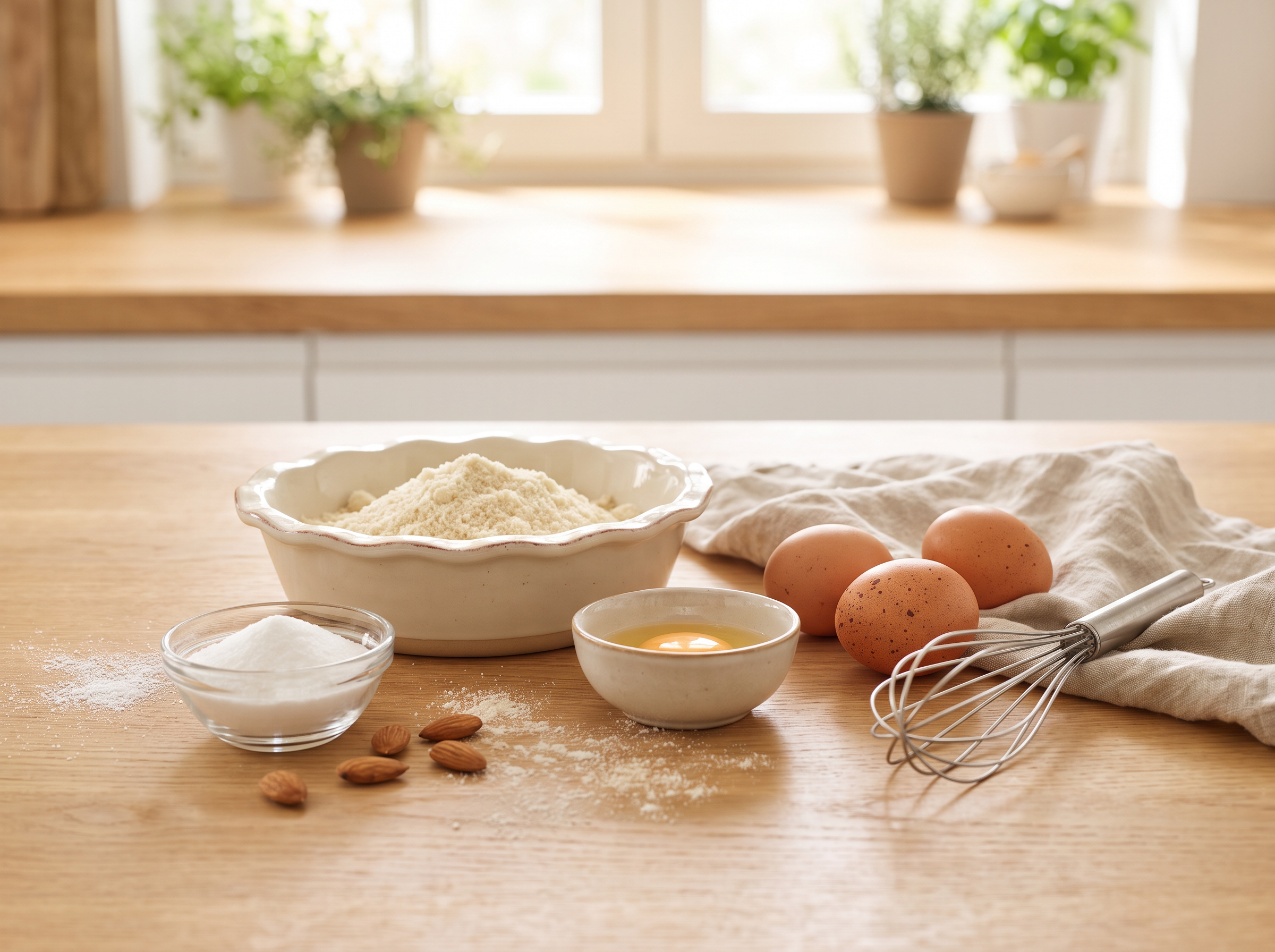
The absolute star among low-carb recipes: Grated mozzarella or savory cheddar is gently melted and kneaded with ground almonds and eggs into a smooth dough. The result in the oven is a sturdy, golden-brown pizza crust that easily holds toppings like tomato sauce, ham, and arugula. The official Knuspr recipe for low-carb pizza with a cheddar-almond crust proves just how crispy it turns out.
Grated and well-squeezed zucchini adds fantastic moisture to doughs made from ground almonds and chia flour. Together with baking powder and a pinch of sea salt, it creates a rustic loaf bread that, when toasted with butter and ham, will make you forget any bakery loaf. Check out our recipe for moist zucchini-almond bread.
Whole nuts & seeds like sunflower seeds, pumpkin seeds, and chia seeds swell with water and spices into a firm mixture. Spread thinly on baking paper and slowly baked, they turn into ultra-crispy crispbreads with maximum fiber content.