Colorful Sheet Pan Roasted Vegetables: Quick Recipe with Herbs & Feta
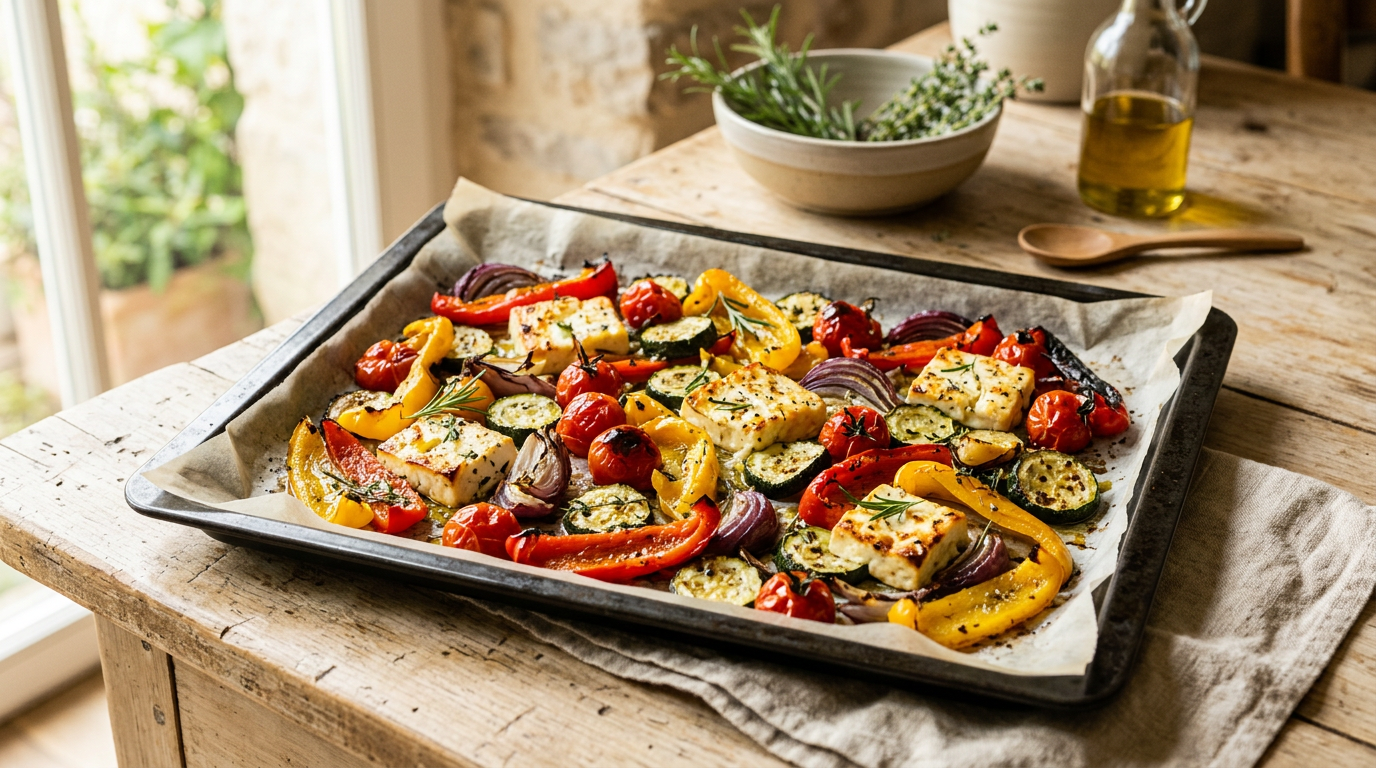
There are days when cooking needs to be quick, fuss-free, and yet packed with flavor. A great roasted vegetables recipe is probably the most relaxing way to bring a colorful variety of fresh vegetables to the table. Crispy roasted zucchini, velvety eggplant, sweet bell pepper strips, and aromatic cherry tomatoes meet fruity olive oil, sun-drenched oregano, and creamy feta cheese. The best part: after just 15 minutes of chopping, your oven takes over the hard work while an aroma reminiscent of a Greek taverna spreads throughout your home.
Whether as a wholesome vegetarian main course, a side dish for grilled food, or an unbeatable base for your weekly meal prep: with the right tricks, your sheet pan vegetables turn out wonderfully caramelized on the outside, tender on the inside, and never watery or bland. We will show you step by step what really matters.
The Golden Roasted Vegetable Formula: Crispy Instead of Soggy
You are surely familiar with this problem: you chop a bowl full of beautiful vegetable pieces, slide them eagerly into the oven, and pull out pale, watery steamed vegetables after half an hour. The secret to a masterful sheet-pan dish lies not in luck, but in precise attention to physics and roasting chemistry.
Vegetables are more than 80% water. If the pieces pile up in multiple layers, the escaping steam cannot escape and the vegetables cook in their own juices. Give each piece space. If necessary, use two baking trays instead of an overcrowded one.
Below 190 °C, no Maillard reaction occurs. Reliably preheat your oven to 200 °C top/bottom heat or 180 °C fan oven. The dry top/bottom heat browns the edges more evenly and will not dry out zucchini and mushrooms.
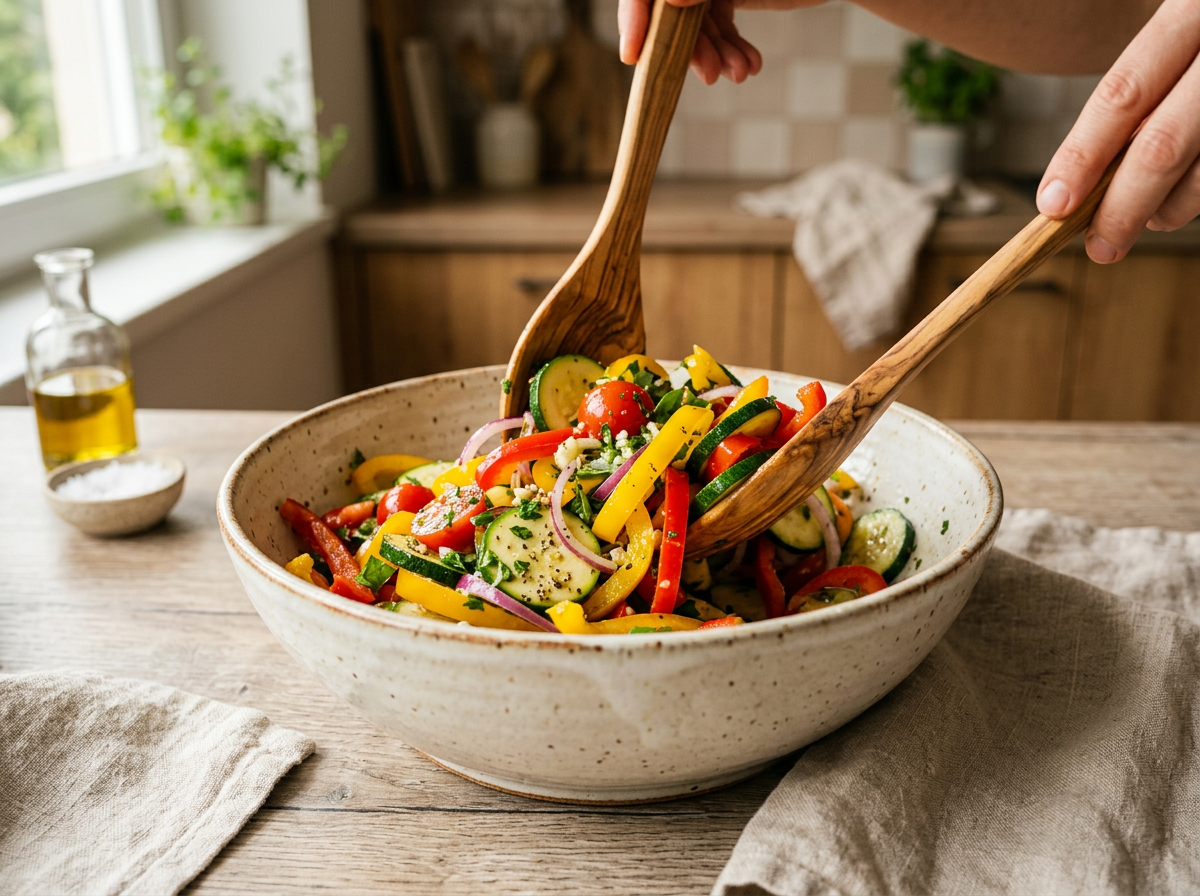
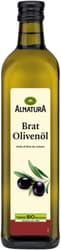
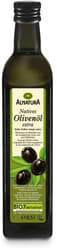
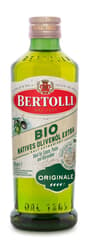
Too much oil drowns the vegetables, too little causes them to burn before they are cooked through. Always toss your chopped vegetables in a large bowl with 3 to 4 tablespoons of heat-stable virgin olive oil so that each piece has a silky sheen.
Slide the empty baking tray into the oven while it preheats. When you then tip the marinated vegetables onto the piping hot tray, they will sizzle immediately. The underside seals rapidly, developing a wonderfully caramelized, crispy crust right from the start.

The Colour Spectrum: How to Cut Each Vegetable
A wonderfully colourful baking sheet thrives on contrasting textures. But carrots take significantly longer than tender courgette slices. If you cut everything into the same shape, you risk either burnt peppers or rock-hard root vegetables. The solution: we balance out different cooking times with targeted cutting.
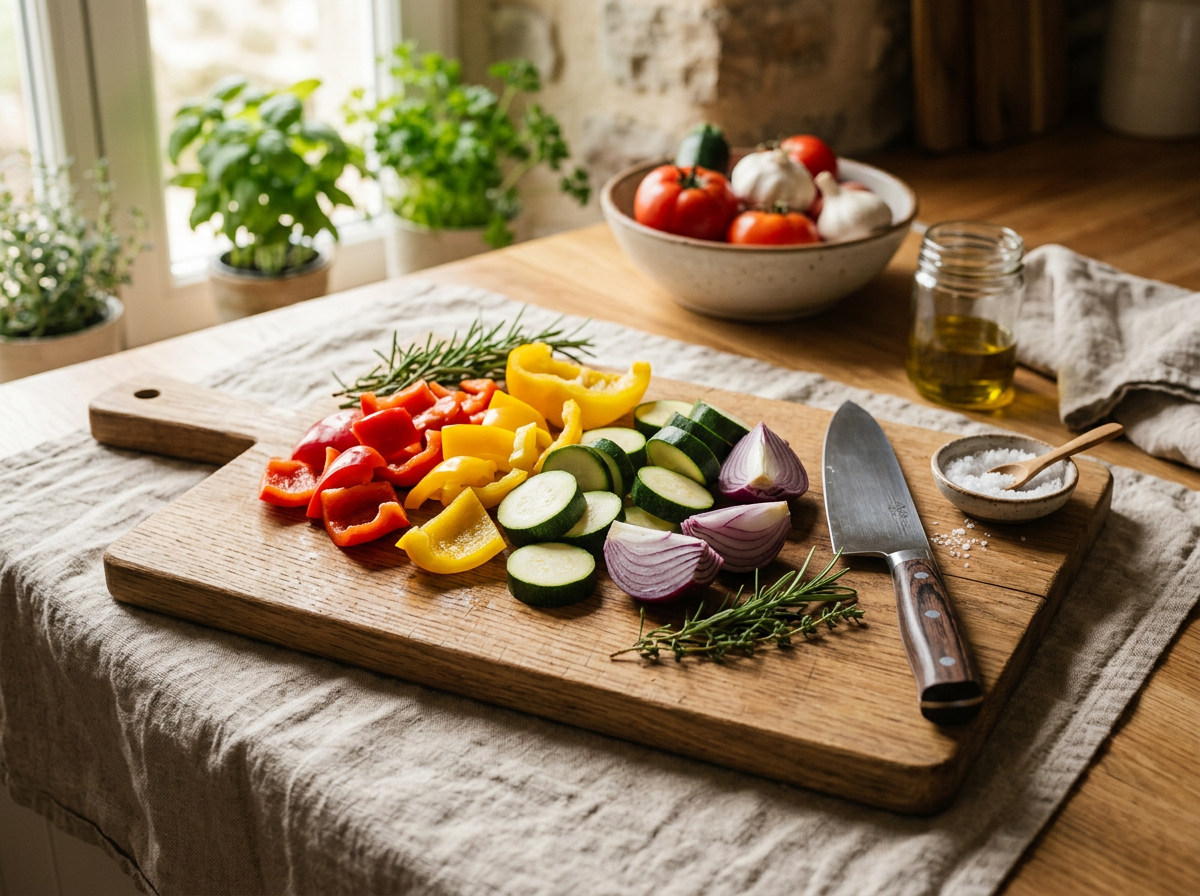
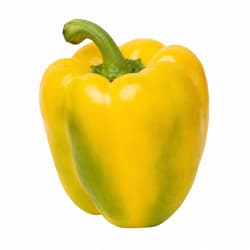
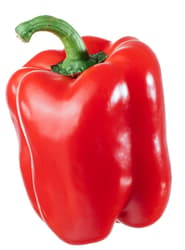
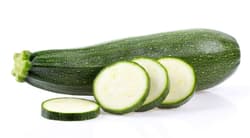
Cut red, yellow, or flavourful pointed peppers into generous 3 cm pieces. It is best to halve courgettes lengthwise and cut them into approx. 1.5 to 2 cm thick half-moons. Slices that are too thin lose moisture too quickly and turn tough rather than roasting until juicy.
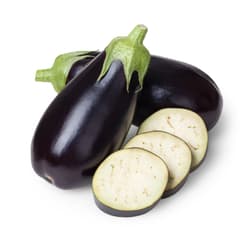
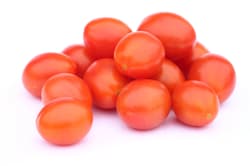
Aubergines soak up oil like a sponge. Cut them into 2.5 cm cubes. Cherry tomatoes can go onto the baking sheet whole; they burst towards the end of the cooking time and add a wonderfully sweet and tangy natural juice to your roasted vegetables.
Because root vegetables have a denser cell structure, cut sweet potatoes and fresh bunched carrots into thinner batons or rounds no thicker than 1 cm. This ensures they cook through perfectly in exactly 30 minutes and caramelise irresistibly thanks to their natural sugars.
Do not chop red onions; peel them and cut them into thick wedges so the layers stay together. It is best to add whole garlic cloves unpeeled to the baking sheet: they confit in the hot oven and transform into a nutty, mild, spreadably tender seasoning purée.



The Feta Upgrade: The Perfect Melt
A simple tray of vegetables is delicious, but it takes a salty, creamy component to turn it into true soul food. This Greek cheese does not melt away in the oven like Gouda; instead, it becomes wonderfully creamy on the inside while its edges develop a golden-brown, savoury crust. But which cheese works best, and when should it be added?
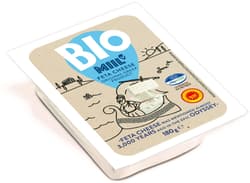
Only cheese traditionally produced in Greece may carry the Protected Designation of Origin (PDO). It contains at least 70% sheep's milk and up to 30% goat's milk. In the oven, it holds its structure wonderfully, has a pleasantly tangy flavour, and offers the perfect counterbalance to the sweetness of roasted carrots and onions. Discover premium feta at Knuspr.
Those who prefer a subtler sheep's milk flavour can opt for organic shepherd's cheese made purely from cow's milk. It has a milder flavour, a creamy texture, and browns especially evenly in the oven. An ideal choice for children at the family table, too.
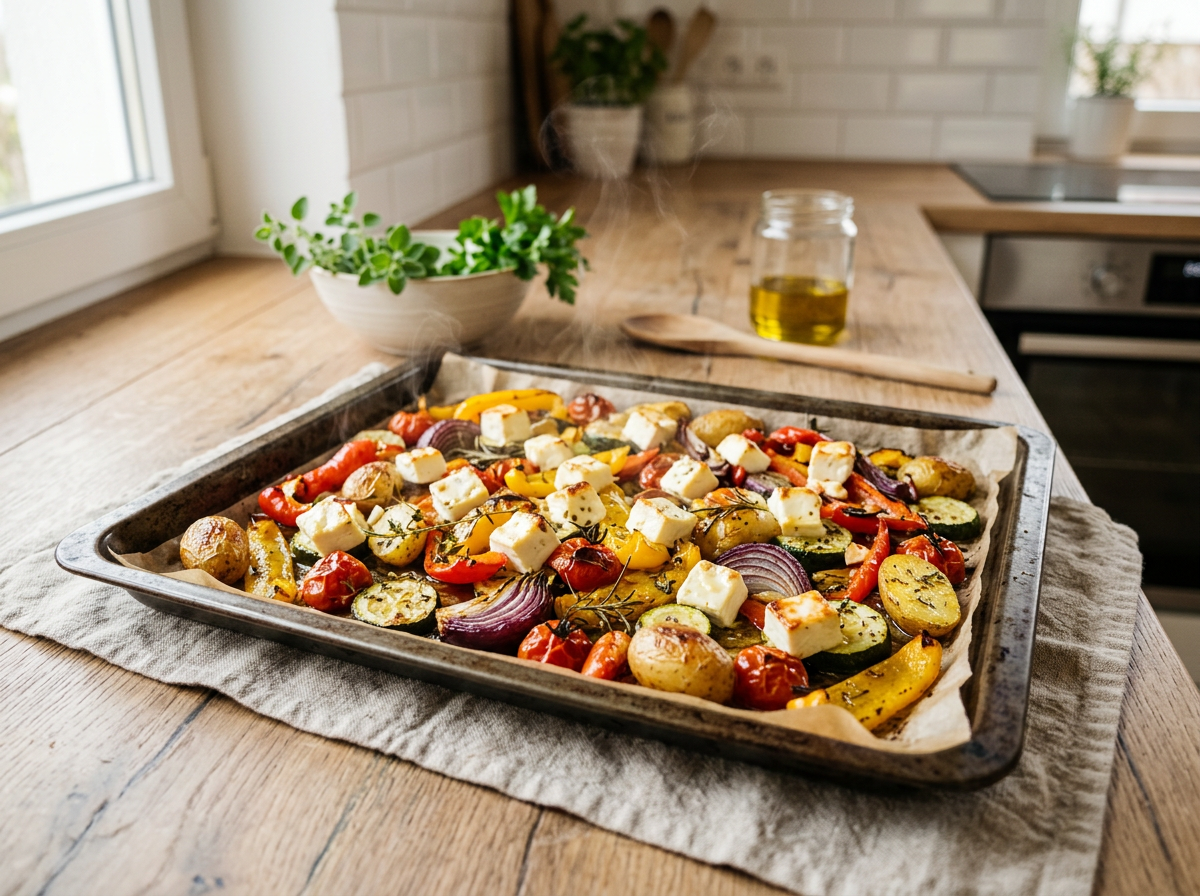
Do not add the cheese to the baking tray right from the start! After 35 minutes at 200 °C, it would be dry and hard. The ideal method: let the vegetables roast on their own for about 18–20 minutes, take the tray out briefly, scatter the roughly cubed feta evenly over the top, and bake everything for the final 10–12 minutes. Alternatively, you can place a whole block of feta in the centre of the vegetables and glaze it with a little honey and thyme.

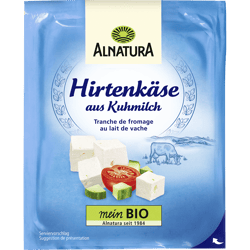
 Alnatura BIO Shepherd's Cheese