Make your own Allgäu cheese spaetzle
When the aroma of robust mountain cheese and golden-brown roasted onions fills the room in the Allgäu, everyone at the table knows: true comfort is being served. A traditional Käsespätzle recipe needs neither fuss nor heavy cream sauces. The real secret lies in the interplay of hand-beaten dough, the perfect cheese blend with a spectacular melt, and the masterful emulsion of starchy cooking water and melting fat. Whether you whip up your dough from scratch with fresh eggs or reach for high-quality fresh egg spätzle from the Knuspr chilled aisle: with the right tricks, you can bring that incomparable Alpine feeling straight into your own kitchen.
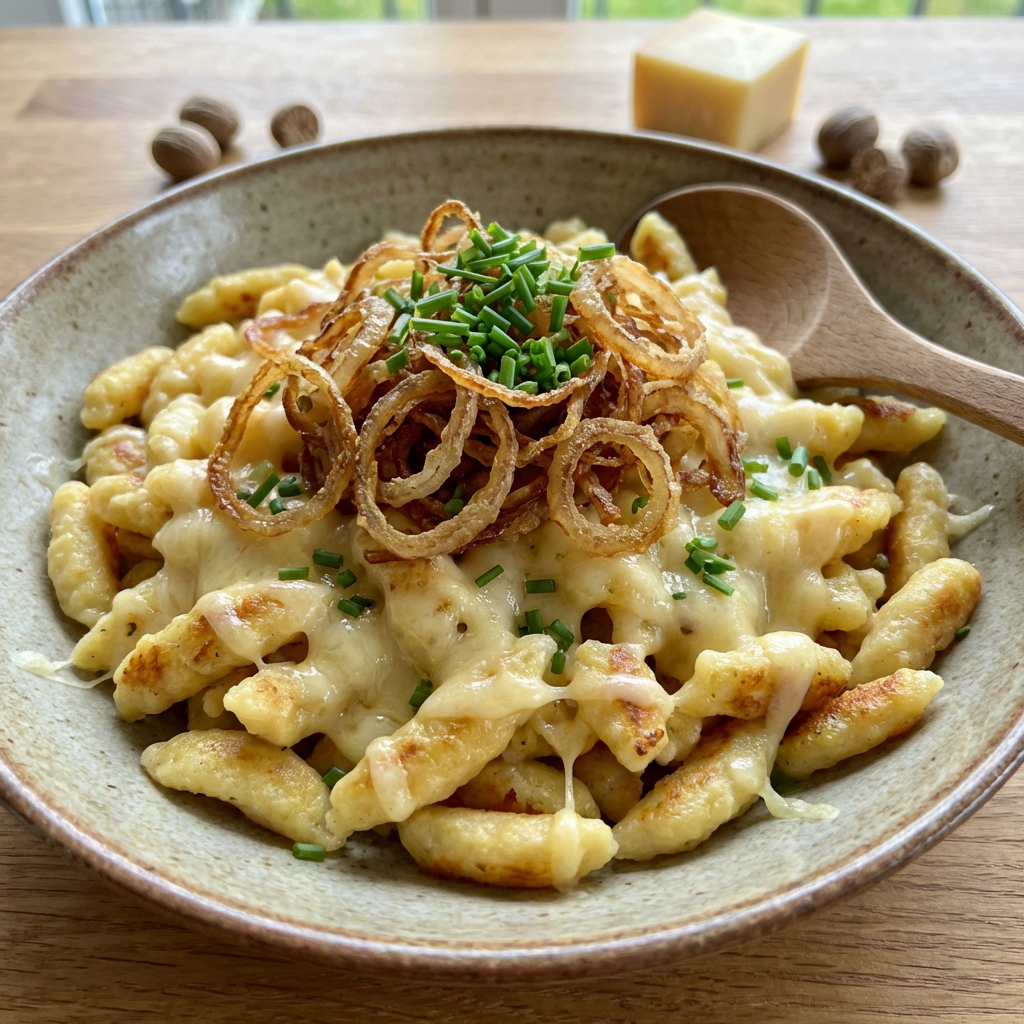
The Foundation: Fresh Spätzle Dough with Character
Every unforgettable Käsespätzle recipe begins with the texture of the dough. Anyone who has tasted the velvety consistency and hearty bite of fresh Spätzle immediately understands why this Alpine speciality has been revered for generations.
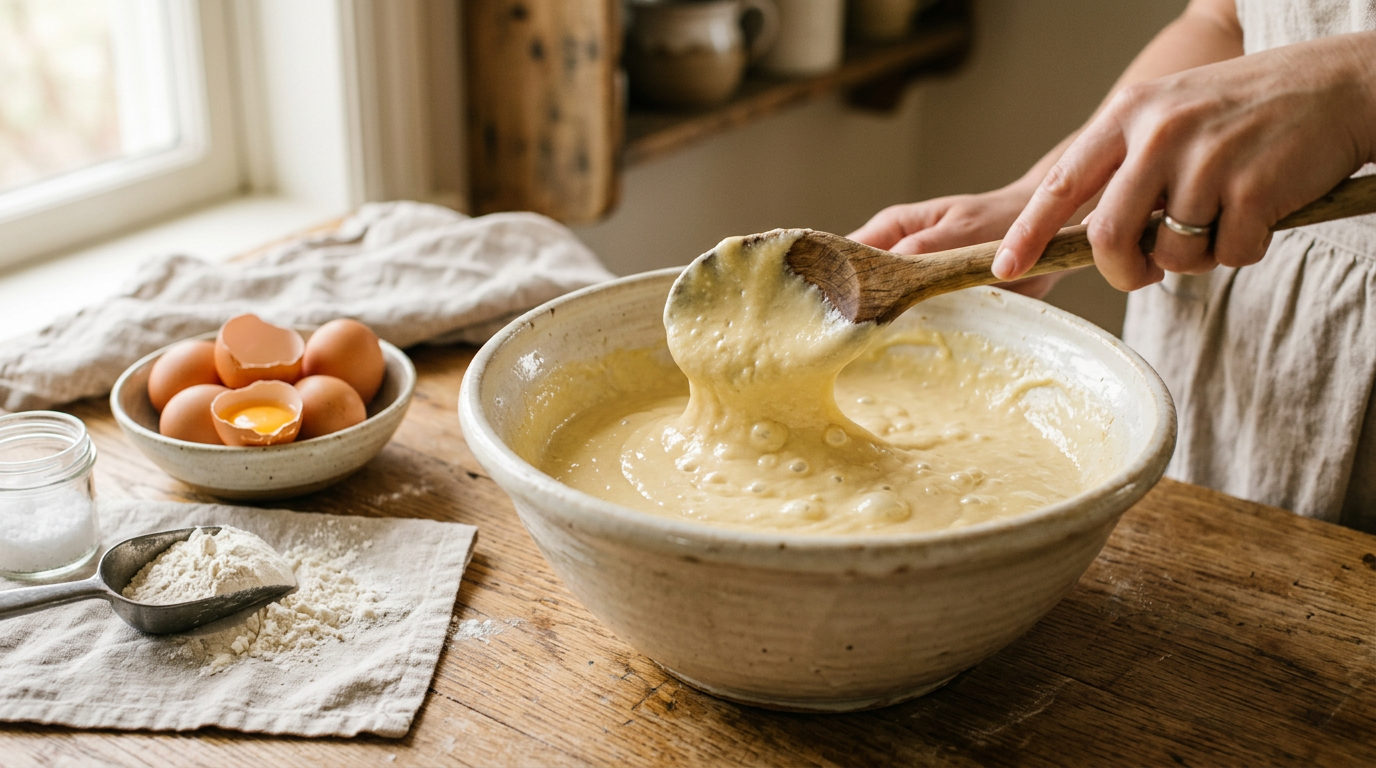
An excellent Spätzle dough requires surprisingly few ingredients: flour, fresh eggs, a little cold water or sparkling mineral water, and a generous pinch of sea salt. The secret of genuine Allgäu cooks lies in the flour. Instead of simple all-purpose flour (Type 405), coarse flour (doppelgriffig), dedicated Spätzle flour, or a mix with fine durum wheat semolina is recommended. This coarser grind ensures that the dough absorbs more liquid and retains its wonderfully firm bite when cooked.
The most crucial step is beating the dough. Spätzle dough is never kneaded. Using a wooden spoon with a hole or your hands, the dough is vigorously stirred and lifted until bubbles rise to the surface. The dough should tear sluggishly from the spoon without completely dripping off. After a well-deserved resting time of about fifteen minutes, the gluten relaxes and the dough can be effortlessly scraped into the bubbling water.


The Cheese Triad: The Secret to the Perfect Melt
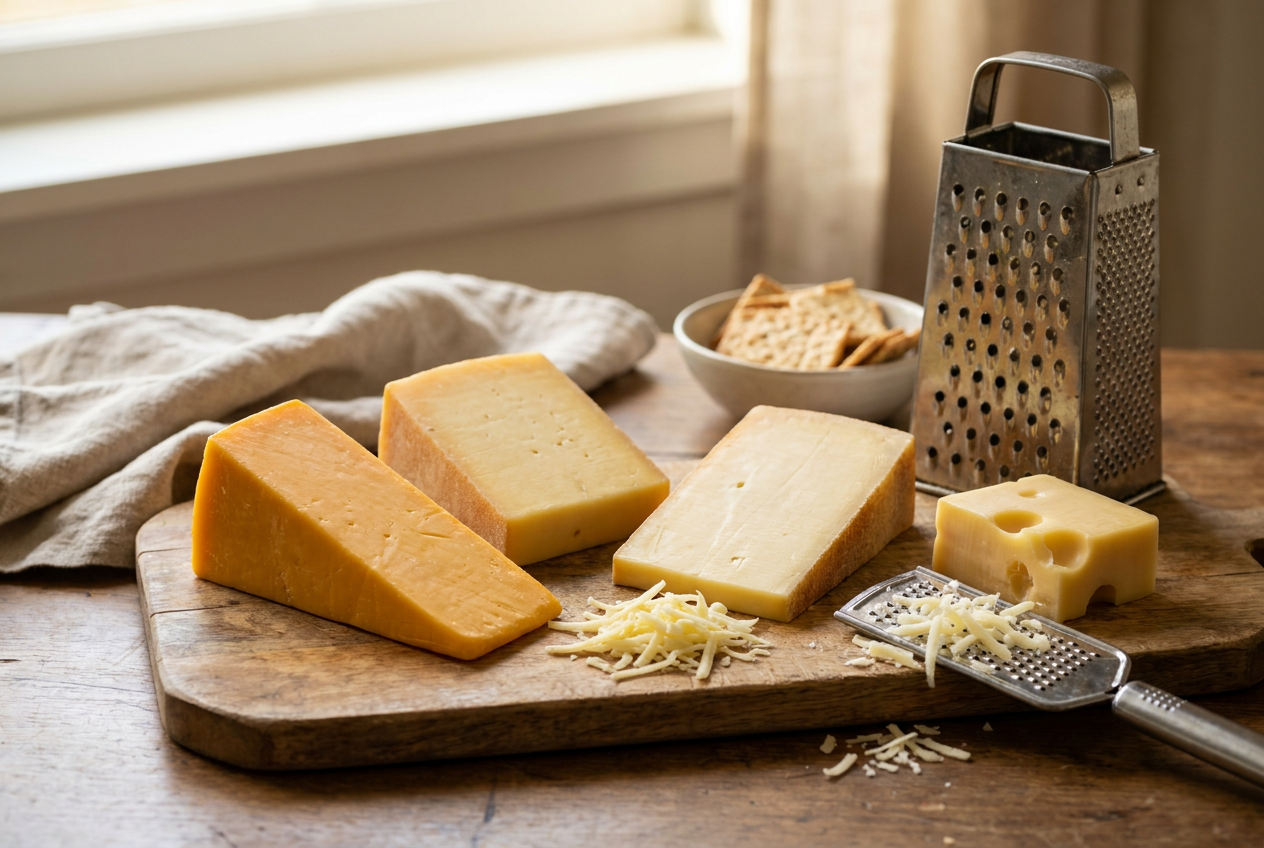
Anyone who thinks Käsespätzle can be prepared with just a single type of cheese is missing out on the real magic. True Kässpatzen thrive on the harmonious triad of savory depth, meltability, and creamy binding.
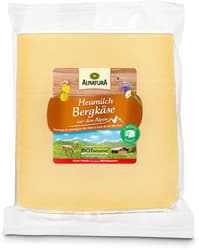
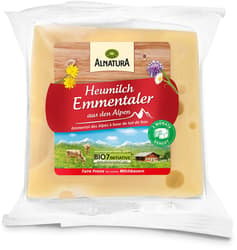
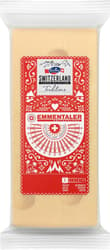
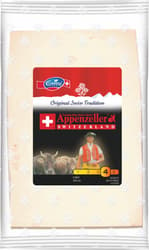
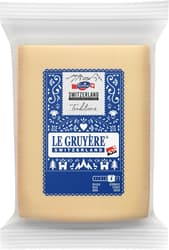
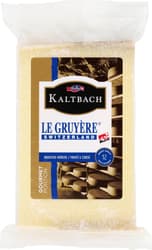
The ideal recipe for four hungry foodies: Mix about 150 grams of mature Allgäuer Bergkäse with 150 grams of mild Emmental and 50 grams of robust Appenzeller or Romadur.
A crucial tip for all cheese lovers: Always grate cheese fresh from a block of cheese on a coarse grater. Industrially pre-grated cheese is often coated with starch additives so the shreds do not stick together in the package. However, in the hot spaetzle pot, these anti-caking agents prevent the cheese from melting smoothly together and lead to a grainy texture.
From Water to Pure Bliss: Scraping, Grating, and the Magic Cooking Water
Cooking Spätzle is a swift spectacle. With plenty of boiling salted water and the right kitchen tools, these golden dumplings are ready to serve in just a few moments.