
How to properly prepare Weißwurst: For the perfect Bavarian breakfast
The aroma of fresh parsley, exquisite mace, and subtle lemon rises from the steaming porcelain tureen. A sunny morning, an oven-fresh pretzel with coarse sea salt, and a small bowl of sweet homemade-style mustard on the wooden table: the Bavarian Weißwurst breakfast is far more than just a meal, it is a piece of genuine joie de vivre. However, its preparation forgives no mistakes. Anyone who throws the sausages into boiling water ruins their delicate sausage meat in seconds. Here you will learn everything about the right water temperature, the historical origins, the legendary noon chimes, and the art of eating it in true style.

Gasthaus Zum Ewigen Licht: How a Carnival Sunday Changed Sausage History
Great culinary milestones often arise out of necessity. On Carnival Sunday in 1857, the Munich inn Gasthaus Zum Ewigen Licht on bustling Marienplatz was teeming with life. In the midst of the peak rush, the young innkeeper and butcher Josef Moser, affectionately called Sepp Moser by his regulars, ran out of tender sheep casings for his popular veal sausages. The hungry guests clamored loudly for more. In his desperation, Moser reached for the much thicker and tougher pork casings, which were actually intended for other types of sausages.
Fearing that the thicker pork casings would burst on the sizzling grill or turn tough as leather, Moser dared to experiment: instead of grilling them, he placed the plump sausages in a kettle of hot water and let them gently steep. When he served the unusually pale sausages, the guests hesitated at first. But the first bite won them over immediately. The sausage meat was incomparably juicy, light, and aromatic. The Munich Weißwurst was born and embarked on its triumphant march across Bavaria.
The traditional original recipe
A true Munich Weißwurst traditionally consists of at least 51 percent finest veal, complemented by firm pork back fat and boiled pork rind. Once cooled, the rind provides the characteristic juicy texture and binding. Since curing salt with nitrite is traditionally not used, the meat retains its typical grayish-white color. You can find high-quality artisanal sausages in our Weißwurst & Wollwurst category.
The secret spice blend
The specialty owes its distinctively fresh character to its refined seasoning: finely grated lemon, fresh curly parsley, ground mace, white pepper, a hint of onion, and a touch of cardamom give it the delicate herbal note that connoisseurs appreciate so much. Mass-produced industrial varieties rarely achieve the freshness of an authentic master butcher's recipe.
The golden 75-degree rule: Why Weißwurst must never boil
In Bavarian parlance, it is colloquially referred to as boiling Weißwurst, but anyone who takes this instruction literally commits the greatest sacrilege in Bavarian cuisine. Boiling water at 100 degrees Celsius causes the delicate meat protein inside the sausage to coagulate explosively. Due to the resulting steam pressure, the fine natural casing bursts open, the flavorful fat leaks out, and the aromatic herbs are mercilessly washed into the cooking water. The result is a watery, tough, and leached-out sausage lacking any finesse.

Heat the water
Bring plenty of water to a rolling boil in a large pot. Add half a teaspoon of salt and, if desired, a bay leaf.
Reduce the heat
Immediately turn the stove down to the lowest setting or briefly remove the pot from the heat. The water must cool down to 70 to 80 degrees Celsius and steam completely calmly.
Add the sausages
Gently place the Weißwürste into the water using a slotted spoon. Make sure they do not squeeze against each other and are completely covered with water.
Let steep for 10 to 12 minutes
Cover with the pot lid and let the sausages steep quietly for 10 to 12 minutes. If they come straight from the fridge, allow around 14 to 15 minutes.
Secret tip for the table: Always serve the Weißwürste together with the hot broth in a porcelain terrine. That way, the second pair will not get cold while you enjoy the first pair in peace.
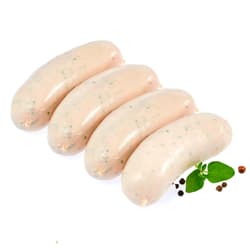


 Alnatura BIO Munich veal sausage

Zuzeln or Lengthwise Cut: The Art of Bavarian Sausage Eating
As soon as the steaming Weißwurst is served on the plate, opinions differ on the proper technique. In traditional Bavarian taverns, traditionalists still swear by the rustic ritual of 'zuzeln' (sucking the sausage meat out). In this method, the tip of the sausage is gently pierced with the teeth, dipped into sweet mustard, and the tender filling is then sucked out of the casing with gentle suction. While this represents pure Gemütlichkeit for locals, it requires quite a bit of practice and skill for newcomers.
Method 1: The elegant lengthwise cut
Gently score the sausage lengthwise with a knife, taking care not to cut all the way through. Then, gently push the casing aside to both sides using the back of the knife and a fork. The sausage meat can then be sliced into bite-sized pieces.
Method 2: The Munich diamond cut
Cut the sausage diagonally into bite-sized pieces. With each bite, peel the casing away to the side using the tip of your knife. This method is especially popular in upscale restaurants and at festive morning gatherings (Frühschoppen).
Method 3: The cross cut
Cut the sausage in half crosswise, then split the halves lengthwise. Now, the sausage meat can be peeled from the casing starting from the edge just like a banana. Perfect for anyone who prefers a quick and clean technique.

The absolute no-go at the dining table
No matter which technique you choose: the skin of the Weißwurst is never eaten. While the natural pork casing is edible and harmless, it remains tough and rubbery after scalding. Anyone attempting to eat the sausage casing and all immediately outs themselves as an unsuspecting tourist to any Bavarian innkeeper. Ketchup and hot table mustard also have absolutely no place on a Weißwurst plate.
The Holy Trinity: Sweet mustard, crisp pretzels, and Bavarian accompaniments
A Weißwurst alone does not make a Bavarian feast. It is the accompaniments that take the flavour to the next level. The Bavarian breakfast tradition follows a established culinary triad perfected over more than a century: Weißwurst, sweet homemade-style mustard, and oven-fresh pretzels form an inseparable unit.

Sweet homemade-style mustard
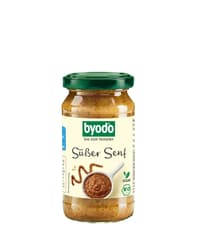
The invention by Johann Conrad Develey in 1854 revolutionized the mustard market. Coarsely ground yellow and brown mustard seeds, caramelized brown sugar, and fine wine vinegar produce that mild, malty sweetness that complements the veal perfectly. Discover our selection in the category Mustard & Horseradish.
The oven-fresh lye pretzel
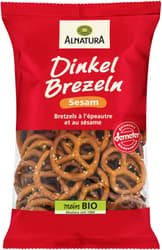
A real pretzel must have a golden-brown shine on the outside, delightfully crispy thin arms, and a wonderfully soft, fluffy belly. Sprinkled with coarse pretzel salt, it is the ideal companion. Take a look at our range under Lye Baked Goods.
Obazda as the creamy crowning touch
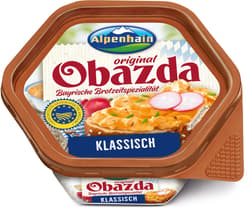
If you turn your breakfast into an extended Brotzeit, serve a hearty Obazda alongside it. Mixed from ripe Camembert, whipped butter, paprika, and onions, it pairs fantastically with the pretzel. Our recipe for Bavarian Obazda shows you the traditional preparation.

Noon Chimes and Wheat Beer Culture: Traditions for Ultimate Enjoyment
In Bavaria, there is an irrevocable rule: the Weißwurst must not hear the noon church bells chime. What sounds like folkloric superstition today had a solid hygienic reason in the 19th century. In Sepp Moser's time, modern refrigerators or electric cooling systems did not yet exist. Butchers prepared the delicate sausage meat fresh in the early morning hours, scalded the sausages, and sold them immediately to guests. As midday temperatures rose, the uncured veal spoiled rapidly.
Tradition in Modern Everyday Life
Thanks to uninterrupted refrigeration, modern Weißwurst easily keeps until the evening. Yet Bavarians proudly uphold their custom: a Weißwurst breakfast between 10 a.m. and noon celebrates tranquility, conviviality, and coziness away from the hustle and bustle of everyday life.
The Right Beer in Your Glass
Weißwurst is traditionally paired with a crisp, naturally cloudy Bavarian wheat beer. The fine carbonation and fruity notes of banana and clove cleanse the palate between bites in the most pleasant way. Find your favorite variety among our wheat beers.
Non-Alcoholic Enjoyment
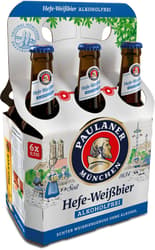
If you have appointments in the afternoon or prefer to avoid alcohol, opt for a naturally cloudy non-alcoholic wheat beer. It offers full malty flavor, is isotonic, and rounds off the breakfast to perfection.

Freshness Guarantee and Master Craftsmanship: From Traditional Butchers Directly to You
The difference between an industrial supermarket sausage and genuine artisanal butcher quality is revealed even before the first bite. A high-quality Weißwurst has an even, delicate grey tone without artificial colorings. When cut, you can see the fine specks of fresh curly parsley, the elastic texture of the sausage meat, and perceive the aromatic scent of lemon and mace. Knuspr works closely with traditional Bavarian butcher shops and certified organic producers to bring this authentic tavern experience straight to your home without long shopping trips.

Regional Craftsmanship
Whether traditional butcher shops like Klobeck and Ponnath or organic pioneers like Pichler and Alnatura: at Knuspr, the meat comes from animal-friendly husbandry and is gently processed according to traditional family recipes.
Seamless Cold Chain
Your order is delivered directly to your doorstep in specially insulated reusable boxes with strict adherence to the cold chain. Bavarian indulgence couldn't be fresher or more convenient.
Discover Plant-Based Variety
Do you eat a purely plant-based diet and don't want to miss out on Bavarian coziness? Try our tried-and-tested recipe for Vegan Weißwürste based on tofu and seitan with the finest spices.