
Tender beef goulash just like Grandma's: The classic recipe

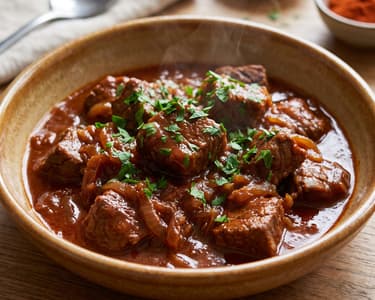
When the autumn wind blows through the streets outside, there is one true promise in the kitchen: a heavy cast-iron pot gently bubbling away, and an aroma that fills the entire home with pure comfort. Genuine beef goulash just like grandma used to make is no rushed affair. It is the art of creating something magical from just a few honest ingredients through time and patience. Forget artificial sauce thickeners, watery instant broths, or dry pieces of meat. With Grandma's traditional golden rules, you will conjure up a goulash whose dark, glossy, and velvety sauce coats the spoon, and whose beef literally melts on your tongue. Discover step by step how to make this masterpiece a success.
Grandma's four basic rules for perfect goulash
Traditional goulash is simple, but it does not forgive carelessness when it comes to the basics. If you take these four rules to heart, your result will surpass any restaurant.
The 1:1 ratio
Use exactly as much onion as meat by weight. The pectin from the slowly disintegrating onions creates the legendary thick sauce, completely without flour or added starch.
The right meat
Use cuts rich in connective tissue such as beef shank, shin, or shoulder. Over gentle heat, their collagen turns into melting gelatin, guaranteeing juiciness.
Patience at the stew pot
Goulash braises for at least two and a half to three and a half hours on the lowest heat setting. Only this way do the tough meat fibers break down and become butter-soft.
Care with paprika
Sweet paprika powder must never burn in scalding hot fat, otherwise it will taste bitter. Take the pot off the heat briefly and deglaze immediately.
The right cut: Which beef becomes butter-tender?
The most common mistake when cooking goulash already begins at the meat counter. Anyone who thinks they are doing their Sunday meal a favor with lean beef tenderloin or delicate topside will experience a bitter disappointment at the dinner table: lean muscle meat dries out mercilessly during long cooking times and turns stringy.
Goulash calls for true braising cuts from the Braising & Roasting Meat category. The undisputed king of beef goulash is beef shank, also known as shin. It is laced with strong sinew and connective tissue. From a core temperature of around 70 degrees, this collagen begins to slowly melt and transforms into fine gelatin.
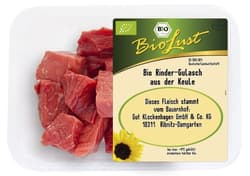
Beef shoulder, chuck, or brisket are also outstanding choices. Cut the meat at home into generous cubes about 3 to 4 centimeters in size. Small cubes cook through too quickly and lose their bite. Our tip for your weekly shop: reach for carefully aged organic meat such as Mark&Fein Organic Beef Goulash or fresh pot roast from animal-friendly farming.

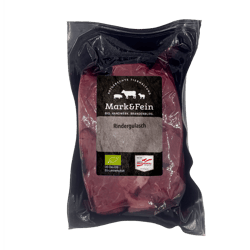
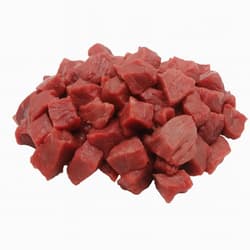
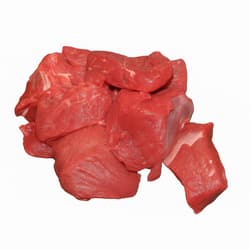
 beef goulash

The Onion Secret: Patience for the Perfect Velvety Texture
If you have ever watched Grandma cook, you surely noticed the massive mountain of onions. The ratio of one kilogram of meat to one kilogram of onions often seems intimidating to cooking beginners, but it is the foundational pillar of any traditional goulash.
It is best to reach for juicy Spanish onions or yellow onions from our Onions & Garlic section. Cut the onions into thin strips or dice them. Now comes the crucial step: slow sweating.
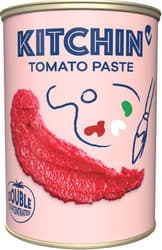
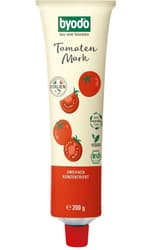
Onions for goulash must not be seared sharply or roasted brown. They need to gently sweat over medium heat in good-quality fat for at least 20 to 25 minutes until they are golden yellow, soft, and translucent. In the process, the sharp sulfur compounds transform into natural sugars. Towards the end, fry two tablespoons of double-concentrated tomato paste and finely chopped garlic for two minutes to awaken deep, roasted umami aromas.


Roasted Notes, Spices, and Red Wine: The Interplay of Paprika and Acidity
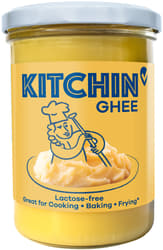
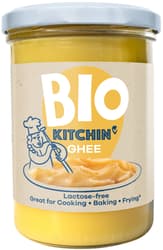
The unmistakable character of a traditional goulash is created in the three minutes of seasoning and deglazing. For frying fat, braising pros swear by clarified butter or Kitchin Ghee, as it withstands high temperatures and adds a subtle nutty note.
Once the onion base is ready, comes the most crucial step: take the braising pot off the hot burner for a moment. Stir in three to four heaping tablespoons of sweet paprika and one teaspoon of hot paprika. Paprika contains natural sugars that can burn in hot fat within seconds, leaving a bitter note.
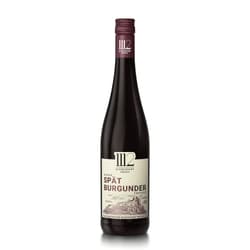
Deglaze immediately with a generous splash of dry red wine or a tablespoon of apple cider vinegar. The acidity stops the browning process and releases all the precious flavors from the bottom of the pot. A fruit-forward, low-tannin wine from our Red Wine category, such as the velvety 1112 Spätburgunder Trocken, is ideal. Let the wine reduce almost completely before adding the meat and rich beef stock.



The Braising Phase: Gentle Heat and the Secret of the Second Day
Now begins the relaxing part of your culinary adventure. As soon as the meat and aromatic liquid are combined, reduce the heat to the absolute minimum. Goulash must never boil vigorously. It should merely send a gentle bubble to the surface every few seconds.
Place the heavy lid on the pot and let time do the work: braising for at least two and a half, ideally three and a half hours is essential. Stir gently all the way to the bottom of the pot every 30 minutes so nothing sticks. If the liquid reduces too much, add a splash of hot beef stock at a time.
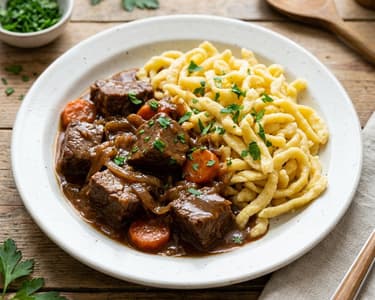
Grandma's greatest secret, however, was anticipation: beef goulash tastes wonderful on the day it is made, but the next day it becomes a culinary revelation. As it slowly cools and reheats, the meat fibers relax, deeply absorbing the rich sauce, and the flavors meld into a harmonious whole. If you love variations, also try our tried-and-tested Red Wine Goulash or the hearty Traditional German Beer Goulash from our Chef recipe collection.
 120 min

 Masterpiece
