
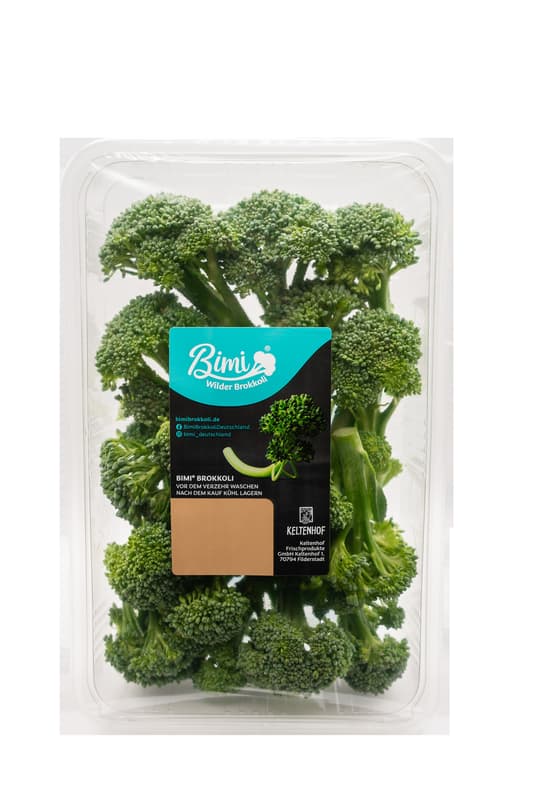
7,127 customers have this product in their favourites
43% of customers buy regularly
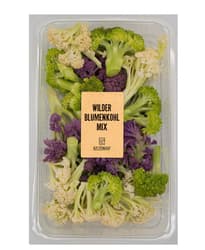
Keltenhof Bimi wild broccoli comes from Kenya and is offered in a quantity of 300 g. The grower uses gentle cultivation and harvesting methods, alongside reusing filtered wash water from production to irrigate the fields. Additionally, hedges and flower strips planted across the fields provide living spaces for insects, birds, and small mammals.
Similar products

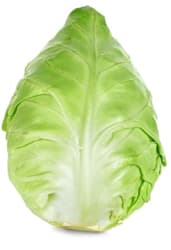
 Broccoli, 1 pc.




More from this brand


Country of origin
Description

Keltenhof operates a consistently sustainable agriculture. This includes gentle methods in the cultivation and harvesting of the products. Sustainable and environmentally conscious fertilization is ensured to increase the storage capacity of the soil. Natural substances such as plant extracts, rock flours and effective microorganisms are used to ensure plant health. In addition, preventive biological (beneficial insects) or biotechnological (nets) measures are used.
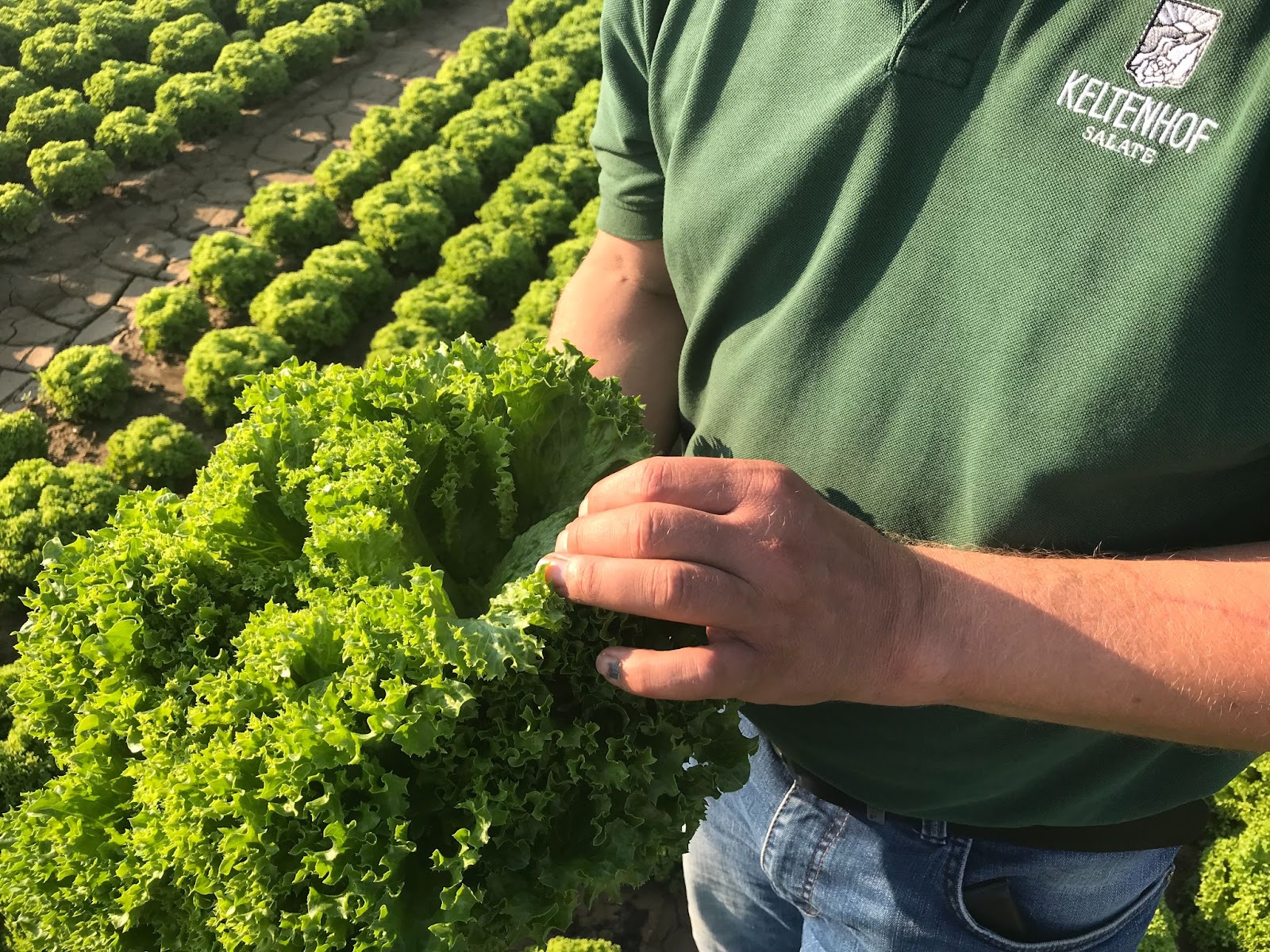
Heat recovery from cold stores and solar systems on more than 3,000 m2 of roof area has enabled sustainable energy management for several years. The washing water from production flows filtered into a specially created pond and is used to irrigate the fields. Hedges and woody plants as well as flowering strips in the fields offer insects, birds and small mammals the urgently needed habitats. Green products are presented in environmentally friendly packaging.
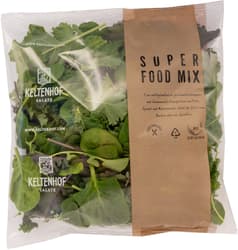
The packaging is also regularly critically examined, and after a long search, a sustainable packaging solution was found for the salad bowls. Thanks to the new, strong jacket made of FSC-certified cardboard, the inner life necessary for food safety (80% recycled PET) can be reduced to a minimum. Both are glued together in such a way that the components can be easily disposed of separately and thus preserved for the recycling loop. So this is not about greenwashing, but actually about a clear reduction in the materials required and, as far as possible, about the use of renewable raw materials.