
Bavarian Obazda: The traditional recipe for an Oktoberfest snack
Creamy, savory, with a hint of beer: Obazda is the secret star of every Brotzeit. We show you the original recipe, the best variations, and everything that belongs on the table for the perfect beer garden moment at home.

A Freising invention conquers all of Bavaria
Obazda, also called Obatzda or Obatzter in Bavarian, does not come from a cookbook, but out of necessity for a clever landlady. Whenever ripe cheese was left over in the tavern, it was simply kneaded with butter and spices instead of being thrown away. So simple, so ingenious, and that is exactly what still defines it today.

The name comes from the Bavarian verb "batzen", which essentially means to stir or mash together. "Obazd" literally means "stirred". Obazda owes its popularity primarily to one woman: Katharina Eisenreich was the landlady of the Bräustüberl Weihenstephan in Freising from 1920 to 1958 and was the first to serve the creation there, which is still considered the birthplace of Obazda today. From there, the savory spread began its triumphal march through Bavarian beer gardens and is now an indispensable staple of every beer garden and the Wiesn. It can be found on almost every Brotzeit menu between Nuremberg grilled sausages and Leberkäse.
Since 2015, Obazda has even been recognized EU-wide as a protected geographical indication (PGI). That means a genuine Bavarian Obazda must consist of at least 50% Camembert or Brie and reach a specified minimum fat content. Romadur or Limburger can also optionally be added for anyone who likes it even heartier. What makes it so special beyond that: Obazda never tastes exactly the same twice. Every innkeeper has their own ratio of cheese to butter, their own twist on the seasonings. We bring this exact principle into our own kitchen, because an original Bavarian Obazda can be wonderfully customized to your own taste, as long as the basic ingredients are right.
Five ingredients that make the difference between creamy and crumbly
A good Obazda recipe doesn't need a long shopping list, but every ingredient has to be right. No soft cheese is overlooked and no spice comes too late, because with Obazda, the ripeness of the cheese determines success or failure.

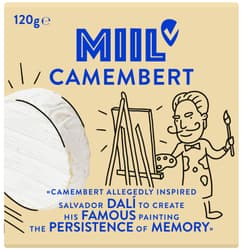
Ripe Camembert
The centerpiece of any Camembert spread. The riper, the creamier and more intense your Obazda will be. A young, firm Camembert stays crumbly and adds hardly any flavor, while a Camembert with a soft, slightly yielding rind is just right.
Soft butter
It binds the mixture and makes it spreadable. Room temperature is essential; cold butter cannot be folded in smoothly and leaves lumps. Rule of thumb: use about 100 g of soft butter for every 250 g of Camembert.
Red onion
Finely chopped, it provides the necessary bite and a mild sharpness that balances the creaminess. Because raw onion can turn bitter and sour in the cheese mixture over time, it is best added just before serving.
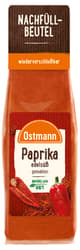
Sweet paprika powder
Gives the Obazda its typical warm color and a subtle seasoning without becoming spicy. A spice rack classic that shouldn't be missing from any Bavarian kitchen.
Caraway seeds and a splash of beer
Caraway brings earthy depth, while a splash of pale lager loosens the mixture and rounds off the flavor with a hearty note. If you prefer it more traditional, mix in some Romadur or Limburger with the Camembert; the original PGI recipe allows both.

 MIIL sweet cream butter

From the fridge to Brotzeit in five steps
If you want to make Obatzter yourself, it takes less than 15 minutes. The only trick: let everything infuse well and only add the onion at the end, right before serving.

Mash the Camembert
Leaving the rind on or cutting it off is a matter of taste. Coarsely mash the cheese with a fork until crumbly.
Fold in the butter
Add the softened butter and stir everything until creamy and smooth.
Work in the seasonings
Work in the paprika powder, caraway seeds, salt, and pepper. If you like, you can already add a dollop of cream cheese now for extra creaminess.
Round off with beer
Stir in a splash of pale lager until the mixture is spreadable, but not runny. It is best to add it spoonful by spoonful.
Chill, add the onion only at the end
Let it chill in the fridge for at least an hour, or better overnight, so that the flavours can develop. Mix in or sprinkle the finely chopped onion on top just before serving, because if left raw in the cheese mixture, it can turn bitter and sour after just one day. Finally, garnish with fresh chives.

 15 min
 Under an hour


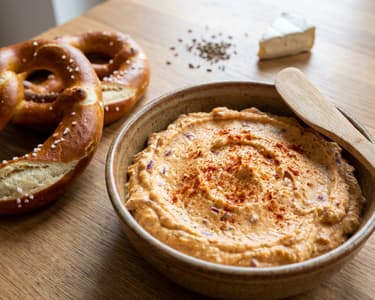

Obazda with your own twist: three variations to try at home
The original Bavarian Obazda is a guideline, not a law. As long as Camembert or Brie forms the base, as required by the protected recipe, there is plenty of room for your own personal touch. Here are three ways to customize it to your taste.
The classic with beer
Camembert, butter, onion, paprika, caraway seeds, and a splash of pale lager. That is how most taverns serve it—hearty and slightly tart. If you prefer it even more traditional, mix in some Romadur or Limburger; this gives it a noticeably more robust note and is part of the original PGI recipe.
Creamy with cream cheese
Part of the Camembert is replaced with cream cheese. This makes the Obazda milder and easier to spread, perfect for anyone who prefers a less pungent flavor or wants to serve a gentler version to children. The cream cheese takes on the role of butter as a binding agent.
Vegan with plant-based cream
Aged vegan soft cheese and plant-based butter replace the dairy products. With paprika, caraway seeds, and onion, this spread variation tastes remarkably close to the original and is just as easy to prepare in advance as the classic version.

Without these sides, it is not a real Brotzeit
Obazda on its own is already great, but only with the right accompaniments does it become an authentic Bavarian Brotzeit, just like the kind served in a beer garden.

Traditionally, Obazda is served with crisp radishes, fresh pretzels, or a thick slice of hearty farmhouse bread. The bread practically soaks up the creamy spread, while the radishes, thinly sliced or arranged into a white radish spiral, provide the necessary fresh contrast. A freshly baked pretzel stick or pretzel with coarse salt is the most traditional choice; it tastes best while still warm and holds up to the creamy spread without getting soggy.
To drink, a cold, light beer is simply a must, ideally a Bavarian Helles or lager straight from the stein. The subtle hop bitterness balances the savory cheese wonderfully. If you want to make it an even bigger spread, add a few slices of white radish, a handful of cherry tomatoes for extra color on the board, or a hearty slice of Leberkäse alongside it. The only important thing is to serve everything at room temperature, because cold straight from the fridge, both the Obazda and the bread lose their flavor.